I. Введение: устойчивость к истиранию — «лакмусовая бумажка» долговечности текстиля
Трение повсеместно присутствует на протяжении всего жизненного цикла текстильных изделий. От ежедневного контакта с человеческим телом и мебелью до многократного трения обивочных тканей об одежду, а также до интенсивного истирания автомобильных сидений при посадке и высадке пассажиров — устойчивость к истиранию напрямую определяет срок службы текстиля для потребителя. Поэтому испытания на устойчивость к истиранию являются не только критически важным компонентом контроля качества, но и ключевой основой для ценообразования продукции, позиционирования на рынке и технологических исследований и разработок.
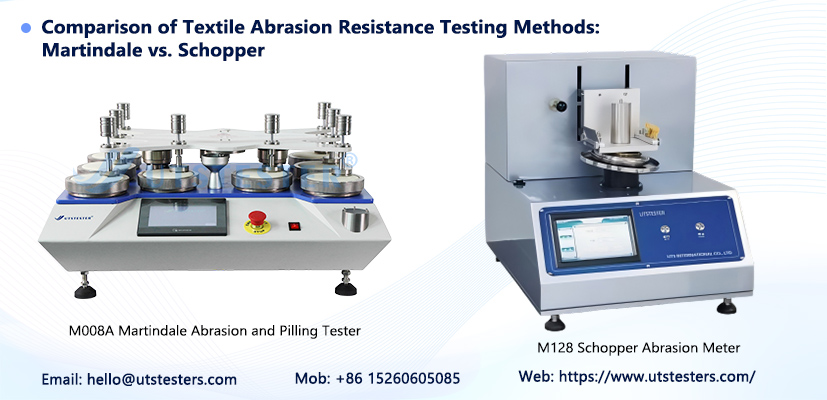
В настоящее время двумя наиболее широко используемыми методами испытания на истирание являются метод Мартиндейла и метод Шоппера. Хотя оба имеют одну и ту же цель — оценить устойчивость текстиля к износу — они принципиально различаются по принципам испытаний, механизмам движения, системам стандартов и областям применения.
II. Метод Мартиндейла
2.1 Принцип испытания
Основой метода Мартиндейла является уникальная траектория движения в виде фигуры Лиссажу. Во время испытания круглый образец приводится в контакт со стандартным шерстяным абразивом под заданным давлением, при этом фрикционная головка движется по определённой геометрической траектории: начиная с прямой линии, постепенно расширяясь в эллипс, а затем снова сужаясь до прямой линии. Каждый полный цикл состоит из 16 оборотов. Такой многонаправленный и многомерный способ трения имитирует сложные сценарии износа, возникающие при контакте тканей с различными поверхностями и под разными углами в реальной эксплуатации, что обеспечивает высокую корреляцию результатов испытаний с реальным износом.
2.2 Система стандартов и оценочные параметры
Метод Мартиндейла обладает наиболее полной международной системой стандартов на сегодняшний день. К основным стандартам относятся серия ISO 12947, китайский национальный стандарт GB/T 21196 (при этом новая версия GB/T 21196.2-2025 вступает в силу 1 марта 2027 года) и американский стандарт ASTM D4966. Кроме того, модифицированные методы Мартиндейла широко применяются для испытаний на пиллинг и ворсистость, соответствующие стандарты включают ISO 12945-2, GB/T 4802.2 и ASTM D4970.
С точки зрения оценки результатов метод Мартиндейла предоставляет три взаимодополняющих параметра:
Метод разрушения образца: это наиболее часто используемый метод оценки, дающий наглядные результаты с минимальной погрешностью. Когда в тканом материале полностью разрываются как минимум две нити, либо в трикотажном материале образуется отверстие из-за разрыва одной нити, либо покрытие на материал с покрытием частично повреждается и становится видна основа, количество циклов трения в этот момент фиксируется как показатель устойчивости к истиранию. Этот метод подходит для большинства текстильных материалов, включая нетканые и материалы с покрытием, но не применим к тканям с крайне коротким сроком износа.
Метод потери массы: путем измерения изменения массы после заданного числа циклов трения этот метод отражает деградацию свойств ткани на различных этапах износа. Он больше подходит для оптимизации производственных процессов на предприятиях и углублённого анализа в научно-исследовательских институтах.
Метод оценки изменения внешнего вида: для тканей с коротким сроком службы этот метод оценивает степень изменения цвета, пиллинга и ворсистости путем сравнения с серой шкалой; эффективная нагрузка обычно составляет около 198 граммов.
2.3 Параметры испытаний и особенности применения
Стандартное давление для метода Мартиндейла обычно составляет 9 кПа (для одежды) и 12 кПа (для декоративных тканей). В китайской системе стандартов общая нагрузка составляет 415 граммов для тканых материалов и 155 граммов для трикотажных материалов; в то время как американский стандарт ASTM использует вес абразивной головки 198 граммов. Размер образца обычно составляет 38 мм в диаметре, а длина пути трения — 60 мм.
Преимущество этого метода заключается в высокой международной применимости и зрелой, хорошо развитой системе стандартов, что позволяет одновременно оценивать устойчивость к истиранию и пиллингу. Поэтому он широко используется в области одежды (например, джинсовая ткань, спецодежда и куртки для активного отдыха), домашнего текстиля (ткань для диванов, шторы и постельное бельё) и автомобильных интерьеров.
III. Метод Шобера
3.1 Принцип испытания
В отличие от плоского многопланового трения метода Мартиндейла, метод Шобера использует принцип вращательного истирания. Во время испытания круглый образец площадью 100 квадратных сантиметров устанавливается на вращающуюся испытательную головку. Он вращается попеременно по часовой и против часовой стрелки со скоростью 75 оборотов в минуту, находясь в линейном контакте с абразивной бумагой, создавая тангенциальное трение. Направление вращения автоматически меняется каждые 100 циклов трения для обеспечения равномерного износа.
Этот характер движения отличается концентрацией напряжений. По мере вращения образец образует линейный контакт с абразивной бумагой, что приводит к более интенсивному и прямому трению. Это делает метод особенно подходящим для оценки устойчивости материала к истиранию в условиях высокого натяжения и высокого давления.
3.2 Система стандартов и позиционирование в отрасли
Система стандартов метода Шобера относительно централизована и в основном построена на немецком стандарте DIN 53863 часть 2 «Испытание износа текстильных поверхностей (метод вращательного истирания)». В автомобильной промышленности он был принят в цепочках поставок ряда крупных производителей, включая стандарты General Motors GME 60345 и GMW 3283, Volkswagen/Audi PV 3908, а также китайский отраслевой стандарт QC/T 216-1996.
3.3 Параметры испытаний и гибкость настройки
Метод Шобера предлагает значительную гибкость настройки параметров испытаний. Скорость вращения фиксирована на уровне 75 оборотов в минуту, угол конуса составляет 166 градусов, а кронштейн испытательной головки наклонён на 7 градусов. Высота подъёма образца может регулироваться в диапазоне от 0 до 10 мм, обычно устанавливается в пределах 5–8 мм.
Диапазон нагрузки широк и регулируется от 0,5 Н до 25 Н. Стандартные веса включают 50 г, 100 г, 250 г, 500 г, 1000 г и 1500 г. Выбор давления обычно зависит от поверхностной плотности образца: 1,0 Н используется для материалов менее 100 г/м², 2,0 Н — для 100–150 г/м², 5,0 Н — для 150–300 г/м² и 10,0 Н — для более 300 г/м².
3.4 Области применения и ключевые преимущества
Благодаря характеристикам высокого давления и вращательного трения метод Шобера имеет незаменимую ценность в определённых областях. Он в основном используется для материалов автомобильных интерьеров (ткань сидений, обивка дверных панелей, обивка потолка), тяжёлых промышленных тканей (брезент, палаточные материалы), различных материалов с покрытием (ПВХ- или ПУ-покрытые ткани, ламинированные материалы), а также кожи и искусственной кожи. В цепочке поставок автомобильной промышленности метод Шобера часто используется для оценки долговечности материалов при частой посадке и высадке пассажиров.
IV. Основные различия между двумя методами
4.1 Типы движения и механизмы трения
Диаграмма Лиссажу метода Мартиндейла обеспечивает многоплановое распределённое плоское трение, при котором напряжение равномерно распределяется по поверхности образца. Это более близко к реальным условиям случайного контакта одежды с различными поверхностями в повседневной жизни. В отличие от этого, вращательное тангенциальное трение метода Шобера создаёт линейный контакт, что приводит к более концентрированному напряжению и более интенсивному износу, лучше имитируя специфические условия высокого износа, такие как промышленная среда или автомобильные сиденья.
4.2 Зрелость стандартов и глобальная применимость
Метод Мартиндейла занимает непревзойдённое положение в международной системе стандартов. От ISO до GB, ASTM и EN сформирован полный, единый и широко признанный набор испытательных спецификаций. Система стандартов метода Шобера в основном сосредоточена в немецких стандартах DIN и внутренних отраслевых спецификациях автомобильной промышленности.
4.3 Требования к образцам и эффективность испытаний
Метод Мартиндейла обычно использует небольшие образцы диаметром 38 мм, что даёт площадь испытания около 11,3 см². Для высокоизносостойких материалов может потребоваться десятки тысяч циклов трения до разрушения, что делает цикл испытаний достаточно длительным. Метод Шобера использует крупные образцы диаметром 100 мм, что даёт площадь 50 см². Благодаря концентрации напряжений разрушение или значительная потеря массы происходит быстрее, что обеспечивает более высокую эффективность испытаний.
4.4 Различия в абразивах и расходных материалах
Метод Мартиндейла использует стандартные шерстяные абразивы, которые можно многократно использовать до достижения предельного износа, что делает их пригодными для длительного применения. Метод Шобера обычно использует наждачную бумагу из карбида кремния; она постепенно затупляется в процессе испытаний и, как правило, является одноразовым расходным материалом.
4.5 Методы оценки результатов
Метод Мартиндейла даёт результаты в различных формах, включая число циклов до истирания, степень потери массы и оценку внешнего вида; однако определение разрушения и оценка внешнего вида в некоторой степени зависят от опыта оператора, и субъективные факторы могут приводить к различиям между лабораториями. Метод Шобера использует потерю массы как основной количественный показатель, обеспечивая более объективные результаты; однако для определения пробоя и описания внешнего вида также требуются стандартизированные процедуры.
V. Заключение
Методы Мартиндейла и Шобера не являются взаимозаменяемыми; скорее, это специализированные инструменты, предназначенные для разных областей применения. Метод Мартиндейла, благодаря высокой международной применимости, развитой системе стандартов и способности имитировать реальные условия эксплуатации, стал общепризнанным «золотым стандартом» в индустрии одежды и домашнего текстиля. Метод Шобера, в свою очередь, занимает важное место в автомобильной промышленности и сфере промышленных материалов благодаря концентрированному напряжению при вращательном трении, высокой эффективности испытаний и объективным количественным результатам.
Технические стандарты, на которые ссылается данная статья: GB/T 21196-2025, ISO 12947, ASTM D4966, DIN 53863 часть 2, GMW 3283 и др.
Электронная почта: hello@utstesters.com
Прямой: + 86 152 6060 5085
Тел.: +86-596-7686689
Веб: www.utstesters.com


 +86 152 6060 5085
 English
 русский
 español
 português
 العربية
 Polski


 hello@utstesters.com
 hello@utstesters.com
 +86 152 6060 5085
 +8615260605085