Color fastness testing on cotton fabrics protects your sewing projects from fading and staining. Colorfastness means a dyed fabric keeps its color without fading or bleeding when washed, rubbed, exposed to light, or exposed to perspiration. Cotton absorbs dye easily, yet it also releases that dye easily. Poor color fastness shows up as pale patches or pink whites after the first wash. Good colorfastness keeps a finished garment looking new. Test a small scrap before you cut into your main fabric. A simple color fastness check takes minutes. Reliable color fastness results save hours of rework. Treat colorfastness as a habit, not an afterthought.
Key Takeaways
-
Test a small scrap of cotton fabric before cutting your main fabric to prevent fading and staining.
-
Use a 30-second damp cloth check to quickly spot surface dye that may bleed.
-
Run a 30-minute soak test with salt water to see if deeper dye escapes during washing.
-
Treat bleeding fabric with a dye fixative or saltwater soak, then retest to confirm the fix.
-
Send fabric to a professional lab for important projects that need documented proof of colorfastness.
Why Color Fastness Testing Matters
The Risk of Dye Transfer
Color fastness testing identifies fabrics that may release dye. A fabric with poor color fastness can tint everything it touches. That includes your white shirts, your pale linens, and the other pieces in the same wash load. Testing helps you prevent textile fading and staining before they reach a finished garment.
Several common faults cause dye to escape from cotton:
-
A dye that does not suit cotton bonds poorly and transfers easily.
-
Faulty dyeing technique leaves dye loosely attached to the fiber.
-
Weak rinsing after dyeing leaves unfixed dye sitting on the surface.
-
A missing or improper fixer fails to lock the dye into the fiber.
-
Repeated washing wears down the fixatives that hold the dye.
-
Deeply dyed dark fabrics carry more dye and transfer more of it.
-
Direct dyes, often used on red fabric, bleed unless treated with a suitable fixer.
-
Friction breaks down cotton fibers and releases dye, and hot water speeds up fixer loss.
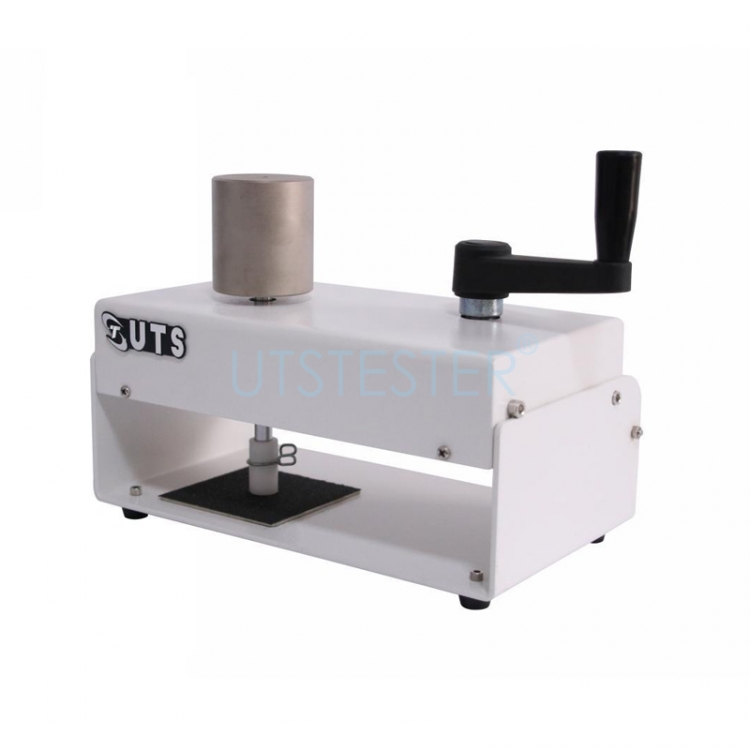
You can screen a fabric with a simple color fastness check before you commit to a project. A professional lab can also run colorfastness tests with instruments such as an Electronic AATCC Rotary Crockmeter for rubbing resistance.
When to Test Your Fabric
Test every new cotton before you cut it. Test a small, inconspicuous area first, such as an inside seam allowance or a corner of the yardage. This habit protects the whole garment from damage.
Pre-wash a sample swatch and watch the rinse water. Tinted water signals weak colorfastness. Store-bought fabric, hand-dyed cloth, and vintage cotton all deserve a check. Formal color fastness tests use controlled equipment, including a Light Fastness Tester for fade resistance and a Water Cooled Light Fastness Tester for heat-sensitive samples. Home checks catch most problems first.
Quick Colorfastness Testing at Home
What You Need
You do not need a lab to run a basic color fastness testing check at home. A few household items cover most home colorfastness tests. Gather them before you start, and keep them in one spot for future fabric purchases. This colorfastness routine takes minutes.
|
Test
|
Materials and tools
|
|
Transfer test
|
White cloth or cotton round; mild detergent; water
|
|
Solution test
|
Basin or sink; water; mild detergent
|
|
Pressing test
|
Iron; white cloth or paper towel
|
A white cloth is your indicator. Any tint on that cloth means dye left the cotton. Choose a plain white cloth with no print or dye of its own. Skip paper towels with printed patterns, because the print can look like dye. A cotton round works the same way. Mild detergent helps you mimic a gentle wash without harsh chemicals. Warm water opens the cotton fibers slightly and makes loose dye easier to detect. Cold water also works and suits delicate dyes. Set up on a clean, flat surface. Press the sample flat with an iron first if it is wrinkled, since creases hide transfer marks. Keep a notebook nearby and record the date, fabric name, and colorfastness result. A written log turns scattered checks into a small reference library. You will know which suppliers and colors pass simple color fastness tests. Professional labs rely on instruments such as the Electronic AATCC Rotary Crockmeter for controlled rub testing. Your home kit cannot match that precision, yet it catches most problem fabrics before they reach a needle.
The 30-Second Damp Cloth Check
This quick color fastness test takes half a minute and needs no special skill. Follow these steps:
-
Cut a small square of the cotton fabric you plan to use.
-
Place the square on a white cloth or paper towel.
-
Dampen a separate white cloth with warm water. It should feel moist, not dripping.
-
Press the damp cloth firmly onto the colored fabric.
-
Hold it in place for about 30 seconds without rubbing.
-
Lift the damp cloth and inspect it for dye transfer.
A clean white cloth means the fabric is likely colorfast. Any tint or bleed means you need further precautions. This rub check works best on dark, bright, or printed fabrics. Significant dye transfer points to excess, unfixed dye on the surface. In some cases it hints at unfixed azo dyes. Repeat the check on an inside seam or hem before you cut your main yardage. Test each color separately when a project uses several shades. These methods take seconds, so run them on every new bolt. The result tells you how much care the fabric needs before washing. A failed check does not always mean the fabric is unusable. Treat it, then run a second colorfastness check to confirm the fix. Note the water temperature and hold time in your log, so a repeat test matches the first. A lab can confirm fading risk with a Light Fastness Tester, and a Water Cooled Light Fastness Tester suits heat-sensitive samples.Home colorfastness testing will not replace those instruments, but it flags trouble early.
The Soak Test and Colorfastness Test Methods
Running the Soak Test
The damp cloth check catches surface dye. The soak test goes deeper. It mimics a real wash and reveals how much dye the cotton releases over time. This is one of the most useful colorfastness test methods you can run at home, and it also measures color fastness to water directly.
You need a basin, warm water, a spoon of salt, a white cloth strip, and your fabric specimen. Salt, or sodium chloride, helps draw loose dye out of the fiber, so the water shows the true level of color fastness. Follow these steps:
-
Cut a sample of the cotton and a matching strip of white cloth.
-
Fill the basin with warm water and stir in the salt until it dissolves.
-
Place both fabric pieces in the solution and let them soak for about 30 minutes.
-
Stir gently a few times during the soak.
-
Remove both pieces and compare them against the original color.
Keep the water temperature steady. Hot water speeds up dye release and can exaggerate a mild problem. Warm water gives a fair picture of everyday color fastness.
Reading the Results
Judging the outcome is simple. Clear water and a clean white strip mean the fabric passes. Tinted water or dye on the white strip means it fails. Record both signs, because color change and color transfer can happen separately. A fabric may keep its own shade while staining the white cloth beside it.
Pass: clear water, clean white strip. Fail: tinted water, or any dye on the white strip.
For a closer look, dry the strips and compare them under daylight. Labs use gray scales to grade shade shift and staining on a fixed scale. You can borrow the idea at home and rank the change as none, slight, or obvious. Note the result in your log next to the damp cloth check.
Home methods have limits. They cannot control pressure or rubbing force the way a lab can. Rubbing fastness, in particular, needs an Electronic AATCC Rotary Crockmeter to apply a repeatable rub. Formal colorfastness test methods and standards also specify controlled equipment, adjacent fabric strips, and fixed conditions for each test type. Professional color fastness testing fills that gap. A lab can run color fastness tests for washing, rubbing, light, and perspiration under published standards. Use home checks to screen fabric, then rely on lab colorfastness test methods when a project demands proof. Either way, the soak test gives you a clear early signal about color fastness to water and overall dye stability.
Colorfastness Test Methods and Standards
Formal colorfastness tests follow colorfastness test methods and standards that use controlled equipment and adjacent fabric strips. Labs grade dye transfer against a known white strip. These colorfastness test methods give repeatable results across dye lots. Color fastness standards such as ISO 105 and AATCC 8 define each procedure. Colorfastness testing at this level removes guesswork.
Colorfastness to Washing
Colorfastness to washing follows ISO 105-C08:2010. You cut a fabric specimen of 100 ± 2 mm by 40 ± 2 mm and sew it to a multifibre strip. ISO 105 F02 covers the cotton interlining. The detergent washing test runs in a closed steel cup with steel balls near 6 mm across. The balls add friction as the cup rotates. The lab rinses, dries, and grades staining with gray scales.
Color fastness to detergent washing shifts with heat. A 40°C or 50°C washing pairs cotton with wool. A 60°C or 95°C washing pairs cotton with viscose. Colorfastness to washing at higher heat stresses dye harder. This detergent washing testing routine anchors color fastness testing standards for cotton.
Rubbing, Perspiration, and Light
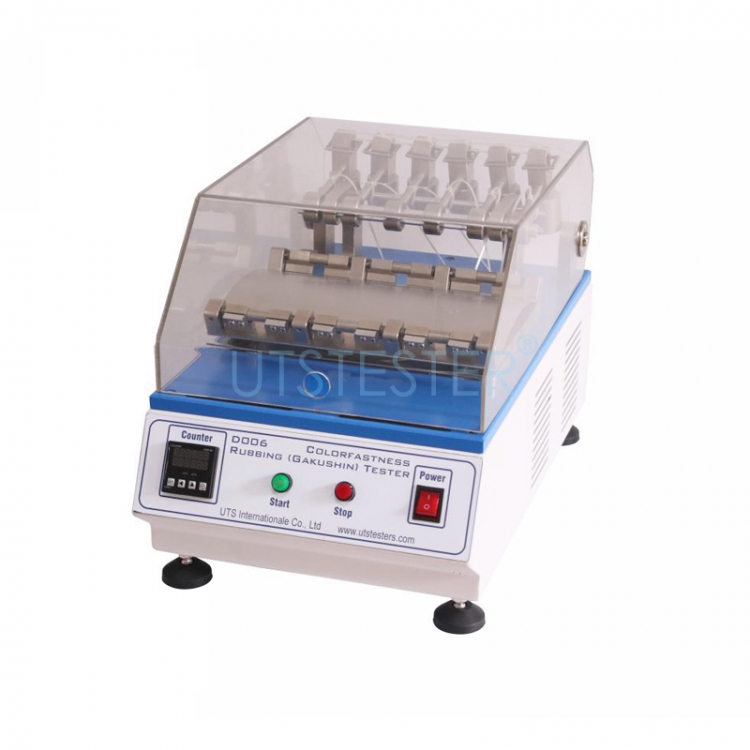
Colorfastness to rubbing uses a crockmeter. A white cloth rubs the sample under set pressure. The lab grades transfer from 5 (none) to 1 (heavy staining). A rating of 3 or higher suits commercial use. Half grades such as 3–4 mark intermediate results. The crocking test runs dry and wet. Color fastness to crocking standards include AATCC 8-2007, AATCC 116-2010, GB/T 3920-2008, and JIS L 0849-2004.
Colorfastness to perspiration soaks the sample in a simulated solution for 30 minutes under fixed pressure. Color fastness to perspiration matters for summer cotton. Colorfastness to light checks fading in a Light Fastness Tester. Color fastness to light runs for many hours. A Water Cooled Light Fastness Tester suits heat-sensitive samples. Colorfastness to light guides window and outdoor cloth.
UTS International offers professional color fastness testing built on colorfastness test methods and standards.
What to Do If the Fabric Bleeds
Treatment and Retesting
A failed check does not doom the fabric. You can often make cotton colorfast with a dye fixative or a saltwater soak before washing. Results depend on the dye type, so treat a scrap first.
Soaking fabrics in vinegar or salt solutions may help set dyes temporarily but is not a guaranteed prevention method. Results vary by fabric and dye type, so always test on scraps before applying.
For a home treatment, add 1 cup of vinegar to the rinse cycle, or ½ cup salt to the wash, to help hold in colors. Color-catcher sheets during the wash cycle trap loose dyes and prevent bleeding. Pre-washing also removes excess dye from fabrics that showed transfer in your color fastness tests.
A commercial fixative works harder. Apply it by padding for large, consistency-critical runs, or by exhaustion for small batches and delicate cloth. Watch pH, dosage, and water hardness. A documented case treated turquoise blue reactive-dyed cotton with a cationic fixative at 1.5% owf. Color retention and colorfastness to rubbing improved markedly, and customer complaints fell to nearly zero.
Retest after treatment. Repeat the damp cloth check, then the soak test. A clean white strip confirms the fix. A lab can verify the result with a Light Fastness Tester.
Professional Help from UTS International
Some projects need proof, not a home check. UTS International runs color fastness tests under published standards. Their lab uses controlled equipment, including an Electronic AATCC Rotary Crockmeter for rub resistance and a Water Cooled Light Fastness Tester for heat-sensitive samples. You get graded results that hold up for production and client work.
Professional testing also protects you from textile fading and staining across a whole dye lot. Send a swatch before you commit to a large order. The methods and reports give you a clear pass or fail.
Tips for Using Fabrics Safely
Washing Precautions
Washing temperature is one of the key factors that affect color fastness, along with detergent, washing method, friction, and sunlight. Control the temperature and you protect the dye. Hot water opens cotton fibers and invites dye to escape, so choose cool or cold water for colored cotton. Wash promptly and skip long soaks, since prolonged soaking can cause fading. Dry cotton in the shade and keep it out of direct sun.
Follow these habits to protect colorfastness to washing:
-
Do not soak cotton fabrics, and wash them promptly to limit dye loss.
-
Keep soaking time short, because prolonged soaking can cause fading.
-
Avoid soaking underwear in hot water, which can lead to yellowing.
-
Dry cotton in the shade and avoid direct sun exposure to prevent fading.
-
Wash and dry thoroughly, and separate dark from light colors.
Good color fastness starts with good care. A lab can confirm colorfastness to washing with controlled equipment, and a Light Fastness Tester checks how a shade holds up to sun exposure over time.
Separating Colors in Projects
-
Keep light and dark fabrics in separate projects, or prewash them before sewing. Sort cotton into three groups — lights, mediums, and darks — even if that means washing very small loads. Wash new cotton separately for the first few washes, when loose dye escapes most freely. If a dark fabric sits next to a light one, dry clean it for the first few washes, or at least once.
-
Sort cotton fabrics into three groups — lights, mediums, and darks — even if this means washing very small loads.
-
Wash fabrics in cool or cold water, since hot water opens fabric fibers and encourages dye to run, while cold water keeps fibers closed and prevents bleeding.
-
Add a dye-trapping color catcher sheet to medium and dark loads to trap dye released during washing.
-
Add a cup of white vinegar to the rinse cycle, as vinegar can help stop the bleeding process.
These simple methods support color fastness to water and everyday colorfastness. Run color fastness tests on scraps first, and let a lab verify results with an Electronic AATCC Rotary Crockmeter or a Water Cooled Light Fastness Tester when a project demands proof.
Those few minutes of color fastness testing save hours of ruined work. Start with the 30-second damp cloth check. When doubt remains, run the soak test. A fabric that bleeds needs treatment and retesting. A dye fixative or saltwater soak often solves the problem.
For important projects, turn to UTS International for standards-based color fastness tests. Their lab uses an Electronic AATCC Rotary Crockmeter for rubbing checks.
A Light Fastness Tester measures fading under controlled light. A Water Cooled Light Fastness Tester suits heat-sensitive samples. These tools deliver reliable colorfastness results.
Good colorfastness protects your finished pieces. Tested cotton fabrics wash safely and keep their shade. Color fastness becomes a simple habit. Strong color fastness means fewer surprises. Your color fastness routine pays off. This colorfastness habit keeps your wardrobe bright. Consistent colorfastness testing builds trust. Reliable colorfastness turns good fabric into great projects.
FAQ
How long does a home color fastness check take?
The damp cloth check takes about 30 seconds. You press a moist white cloth onto the cotton and inspect it for transfer. The soak test takes longer, roughly 30 minutes in a saltwater solution. Both checks fit easily into your cutting prep.
Does a failed test mean I cannot use the fabric?
No. A failed check tells you the cotton carries loose dye. Treat it with a dye fixative or a saltwater soak, then retest. Many fabrics pass after treatment. Skip the fabric only when repeated color fastness checks keep failing.
Do salt and vinegar really set dye in cotton?
They help, but results vary by dye type. Add 1 cup of vinegar to the rinse cycle, or ½ cup of salt to the wash. Treat a scrap first and retest. Neither method replaces a commercial fixative on heavily dyed cloth.
When should I send fabric to a lab instead of testing at home?
Send a swatch when a project needs documented proof, such as production runs or client work. A lab grades color fastness with controlled equipment, including a Light Fastness Tester for fade checks. Home tests screen fabric; labs certify it.
Can I trust a fabric that passed the damp cloth check?
A pass is a good sign, not a guarantee. Surface dye may stay put while deeper dye escapes in a full wash. Run the soak test when the fabric is dark, bright, or expensive. Confirm color fastness before you cut.


 +86 152 6060 5085

 English
 русский
 español
 português
 العربية
 Polski



 hello@utstesters.com
 hello@utstesters.com
 +86 152 6060 5085
 +8615260605085
