I. Что такое абразиметр Шобера?
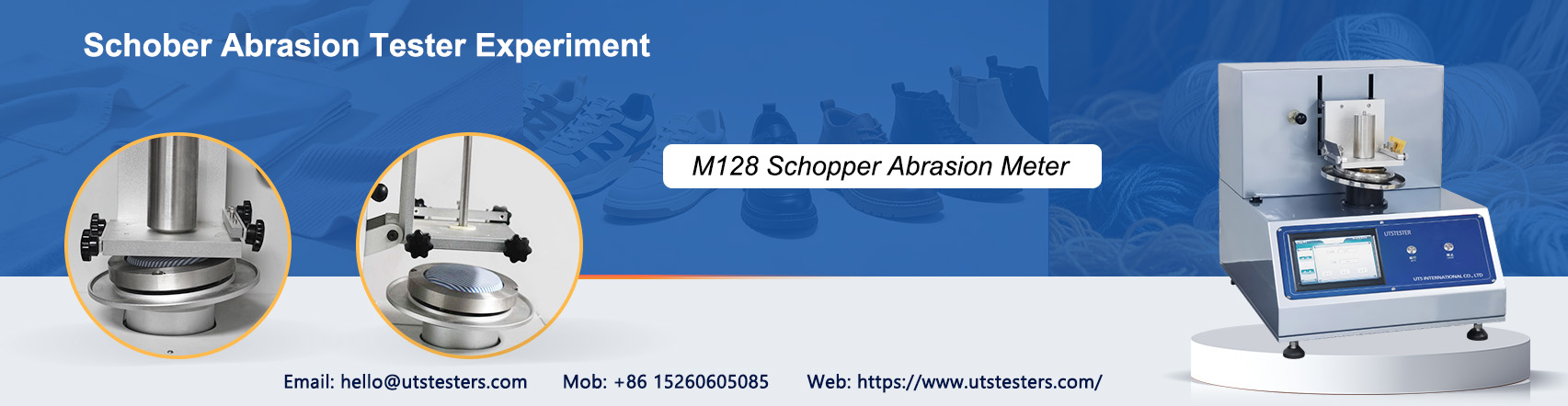
Абразиметр Шобера, также известный как ротационный абразиметр, — это испытательное устройство, специально разработанное для оценки стойкости к истиранию гибких материалов, таких как текстиль, материалы для автомобильных интерьеров и кожа. Этот прибор имитирует износ материала при реальной эксплуатации посредством вращательного трения, тем самым оценивая его долговечность.
По сравнению с абразиметром Мартиндейла абразиметр Шобера использует образцы большего размера (примерно 100 мм в диаметре, с площадью испытания около 50 см²) и наждачную бумагу из карбида кремния в качестве абразива. Это приводит к более концентрированному напряжению трения и повышенной эффективности испытаний, что делает его особенно подходящим для проверки материалов с высокими требованиями к стойкости к истиранию, таких как материалы автомобильных интерьеров.
II. Принцип работы
Основной принцип работы абразиметра Шоппера основан на вращательном тангенциальном трении. Во время испытания круглый образец устанавливается на вращающуюся испытательную головку и фиксируется с помощью конического приспособления с тупым углом. Образец вращается с заданной скоростью (обычно 75 оборотов в минуту), сохраняя линейный контакт с расположенным под ним абразивным материалом (наждачной бумагой из карбида кремния), создавая трение в тангенциальном направлении.
Ключевой особенностью конструкции является то, что после каждых 100 циклов трения прибор автоматически останавливается и предлагает оператору изменить направление вращения (чередуя вращение по часовой и против часовой стрелки). Такая конструкция обеспечивает более равномерное распределение износа по поверхности образца, предотвращает локальный чрезмерный износ, вызванный однонаправленным трением, и делает результаты испытаний более показательными.
При установке испытательному образцу придается определенная степень изгиба (обычно 58 мм). Эта кривизна создает небольшой колебательный эффект во время вращения, обеспечивая равномерное периодическое трение каждой точки в пределах площади испытания около 50 см².
III. Применяемые стандарты и области применения
Метод испытаний абразиметра Шоппера был принят многочисленными международными и отраслевыми стандартами, включая главным образом:
Основной стандарт: DIN 53863, часть 2 «Испытание стойкости текстильных поверхностей к истиранию (ротационный тест на истирание)» является базовым стандартом для данного метода. Кроме того, стандарты GME 60345, GMW 3283 и Volkswagen/Audi PV 3908 также широко используют этот метод испытаний.
Основные области применения:
- Материалы автомобильных интерьеров: ткани сидений, материалы потолочной обивки, покрытия дверных панелей и т. д. Эти материалы должны выдерживать длительное трение и износ, поэтому абразиметр Шобера является основным оборудованием для контроля качества у автомобильных производителей.
- Швейные ткани: особенно рабочая одежда и одежда для активного отдыха, требующие высокой стойкости к истиранию.
- Материалы для обуви и кожа: оценка стойкости к истиранию материалов подошв и кожаных изделий.
- Промышленные текстильные материалы: испытание долговечности конвейерных лент, фильтрующих материалов и аналогичной продукции.
IV. Подробная процедура эксперимента
1. Подготовка образца
Сначала из испытываемого образца вырезают круглый образец диаметром примерно 100 мм. Образец должен пройти стандартное кондиционирование по температуре и влажности (обычно выдерживание не менее 4 часов в среде с температурой 21±1°C и относительной влажностью 65±2%) для устранения влияния факторов окружающей среды на результаты испытаний.
2. Установка образца
Используйте специальное приспособление, поставляемое с прибором, чтобы установить образец на вращающуюся испытательную головку. Во время установки необходимо учитывать следующее: отрегулируйте высоту выступания образца с помощью устройства измерения изгиба, обычно поддерживая ее на уровне 58 мм. Настройка изгиба напрямую влияет на контакт между образцом и абразивом и является ключевым параметром для обеспечения стабильности испытаний.
3. Установка абразива
Надежно закрепите наждачную бумагу из карбида кремния (обычно зернистостью 280# или 400#) на нижней стороне прижимной пластины с помощью зажима для фрикционного материала, убедившись, что она лежит ровно. Поскольку наждачная бумага является одноразовым расходным материалом, убедитесь, что она установлена без складок. После каждого испытания заменяйте ее новым листом для поддержания одинаковых условий абразивного воздействия.
4. Настройка нагрузки давления
Выберите подходящую нагрузку в зависимости от массы образца на единицу площади. Обычно применяются следующие принципы: 1,0 Н для образцов массой ≤ 100 г/м²; 2,0 Н для 100–150 г/м²; 5,0 Н для 150–300 г/м²; и 10,0 Н для массы свыше 300 г/м². Стандартный набор грузов прибора включает грузы 50 г, 100 г, 250 г, 500 г, 1000 г и 1500 г, что позволяет регулировать давление в диапазоне от 0,5 Н до 25 Н.
5. Запуск испытания
Установите общее количество оборотов и количество оборотов в одном направлении через сенсорный интерфейс, выберите ручной или автоматический режим, а затем запустите прибор. Во время испытания прибор автоматически записывает количество оборотов, автоматически останавливается после каждых 100 оборотов и предлагает пользователю изменить направление вращения.
6. Оценка результатов
После завершения испытания извлеките образец для оценки результатов. При испытании на истирание методом Шобера обычно используются следующие методы оценки:
- Метод потери массы: взвешивание образца до и после испытания с последующим расчетом скорости потери массы; это наиболее объективный количественный показатель.
- Метод образования отверстий: регистрация количества оборотов, при котором в образце появляются отверстия, для оценки предельной стойкости к истиранию.
- Метод визуального осмотра: оценка поверхности образца на наличие ворсистости, катышков и изменения блеска посредством визуального осмотра или инструментального анализа.
V. Сравнение методов Шобера и Мартиндейла
В области испытаний текстиля на истирание методы Шобера и Мартиндейла являются двумя наиболее распространенными методами, каждый из которых имеет свои конкретные области применения:
Метод Шобера обладает преимуществами концентрированного напряжения трения и высокой эффективности испытаний; большие образцы (площадь испытания 50 см²) быстрее достигают точки разрушения. В качестве основного показателя оценки используется потеря массы, что обеспечивает объективные и количественно измеримые результаты; система стандартов основана на немецких стандартах DIN и спецификациях автомобильной промышленности, что делает его незаменимым в сфере автомобильных интерьеров.
Метод Мартиндейла, с другой стороны, является более универсальным международно признанным «золотым стандартом». Он подходит для отраслей одежды и домашнего текстиля, а процесс испытаний более точно имитирует многомерные условия трения, возникающие при реальной эксплуатации.
Эти два метода не являются просто взаимозаменяемыми, а представляют собой специализированные инструменты, разработанные для разных сценариев применения. Для испытаний автомобильных интерьеров и промышленных материалов предпочтителен метод Шобера благодаря его эффективности и объективности; тогда как для одежды и домашнего текстиля метод Мартиндейла имеет преимущества с точки зрения международной применимости и реалистичности.
VI. Заключение
Благодаря уникальному принципу вращательного тангенциального трения, высокой эффективности испытаний и объективному количественному методу оценки абразиметр Шобера играет незаменимую роль в испытаниях стойкости к истиранию автомобильных интерьеров, промышленных текстильных материалов и других областей.
Для лабораторий текстильных испытаний и производственных предприятий глубокое понимание экспериментальных принципов и ключевых моментов эксплуатации абразиметра Шобера, а также создание стандартизированных процедур испытаний являются основой для обеспечения качества продукции и соответствия требованиям клиентов.
Если у вас есть какие-либо вопросы об абразиметре Шобера или испытаниях текстиля на истирание, пожалуйста, свяжитесь с технической командой UTSTESTER; мы предоставим вам профессиональные решения для испытаний.
Электронная почта: hello@utstesters.com
Прямой: + 86 152 6060 5085
Тел: +86-596-7686689
Веб: www.utstesters.com


 +86 152 6060 5085
 English
 русский
 español
 português
 العربية
 Polski


 hello@utstesters.com
 hello@utstesters.com
 +86 152 6060 5085
 +8615260605085