В текстильной промышленности, будь то палатки для активного отдыха, рабочая одежда для моряков, ткани для автомобильных салонов или промышленные фильтровальные ткани, многие текстильные изделия подвергаются длительному воздействию агрессивных сред, таких как соленая влажная атмосфера и морская влага. Длительное воздействие солевого тумана может привести к выцветанию, потере прочности, отслоению покрытия и даже к ухудшению функциональности и сокращению срока службы текстильных изделий. Испытания солевым туманом являются основным методом оценки коррозионной стойкости таких текстильных изделий и обеспечения качества продукции.
I. Что такое испытание солевым туманом?
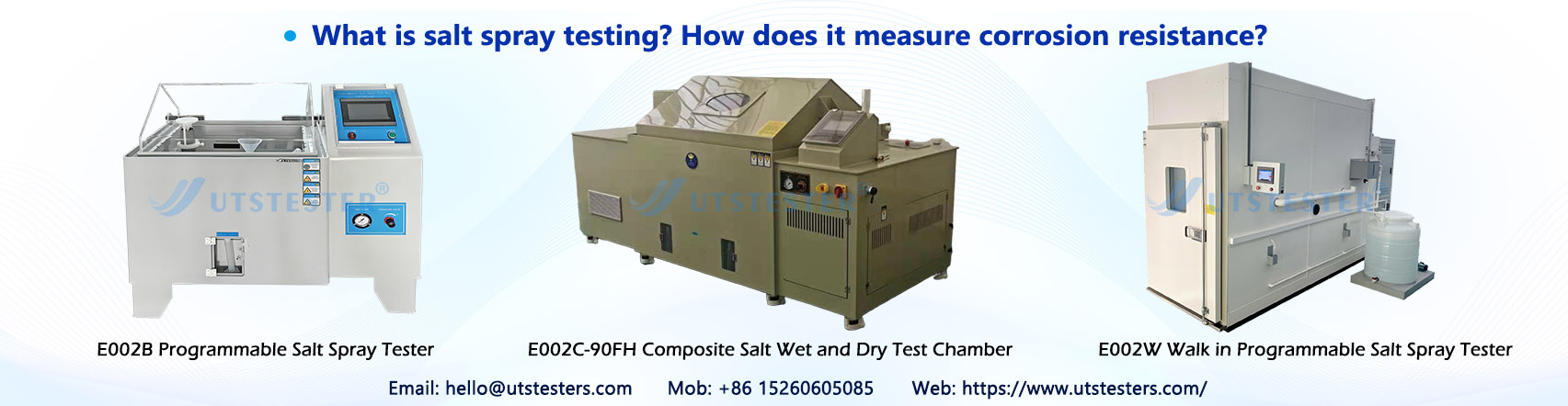
Испытание солевым туманом — это, по сути, ускоренный, искусственный метод имитации коррозионных сред. Используя...
тестер солевого тумана
(
камера солевого тумана
В камере создается контролируемая среда солевого тумана. Образцы текстиля помещаются внутрь этой камеры, чтобы имитировать процесс эрозии, вызванный природными солевыми брызгами (такими как морская атмосфера или промышленная пыль, содержащая соль), что позволяет быстро оценить коррозионную стойкость текстиля, его аксессуаров и покрытий.
В отличие от испытаний на естественную коррозию, которые могут занимать от одного до нескольких лет, испытания в солевом тумане ускоряют процесс за счет повышения концентрации солевого раствора (обычно в несколько десятков раз выше, чем в естественной среде) и точного контроля таких параметров, как температура и влажность. Это сокращает циклы испытаний до часов или дней, эффективно проверяя коррозионную стойкость продукции и предоставляя надежные данные для исследований и разработок в текстильной отрасли, контроля качества и выхода на рынок. Это решает проблемы, присущие испытаниям на естественную коррозию — трудоемкость, неэффективность и неконтролируемость условий окружающей среды.
Испытания на солевое распыление, разработанные специально для текстильной промышленности, в основном имитируют два основных сценария: во-первых, морскую среду, ориентированную на текстиль, используемый в прибрежных районах (например, рыболовные суда, сети, одежда для активного отдыха на побережье), путем воспроизведения эрозии, вызванной высокой соленостью и влажностью; во-вторых, промышленную среду, имитирующую деградацию текстиля, подверженного воздействию коррозионных сред, таких как пыль, содержащая соль, и кислые/щелочные пары в промышленных тканях (например, фильтровальные ткани, конвейерные ленты). Это охватывает различные текстильные материалы и изделия, включая хлопок, полиэстер, нейлон и ткани с покрытием.
II. Каким образом солевой туман вызывает коррозию текстильных изделий?
Чтобы понять значение испытаний в солевом тумане, необходимо сначала разобраться в механизме коррозии: солевой туман не «корродирует» волокна напрямую, а разрушает структуру, покрытия и функциональные свойства текстиля за счет множественных взаимодействий. Этот процесс проявляется на трех уровнях, что особенно заметно в текстильных изделиях, содержащих металлические элементы или покрытия:
1. Косвенная коррозия на уровне волокон: Основным коррозионным агентом в солевом тумане являются хлорид-ионы. Их низкая энергия гидратации позволяет им легко адсорбироваться на текстильных поверхностях, проникая внутрь волокон или в межволоконные пространства. Для натуральных волокон (например, хлопка) хлорид-ионы разрушают водородные связи, вызывая хрупкость и разрушение волокон. Для синтетических волокон (например, полиэстера, нейлона) длительное погружение в солевой туман ускоряет гидролиз волокон, снижая прочность на разрыв и даже может вызывать старение и пожелтение волокон.
2. Прямая коррозия фурнитуры и покрытий: Металлические фурнитура (например, молнии, пуговицы, крючки) и покрытия (например, полиуретан, ПВХ) на текстильных изделиях являются основными объектами коррозии в солевом тумане. Ионы хлорида проникают в покрытия, разрушая защитный оксидный слой на металлических поверхностях. Это создает микробатарейную систему, включающую «металл с низким потенциалом — раствор электролита — примеси с высоким потенциалом», что приводит к ржавлению металлических фурнитур, образованию пузырей и отслоению покрытия. В результате ухудшается внешний вид и долговечность текстильных изделий. Одновременно кислый солевой туман ускоряет отслоение покрытий от волоконных подложек, вызывая потерю защитных свойств.
3. Функциональная деградация: Солевые отложения в тумане закупоривают поры текстильных волокон, снижая их основные функции, такие как воздухопроницаемость и водостойкость. Для защитных тканей для наружного применения и медицинских тканей коррозия также может ухудшить антимикробные свойства и безопасность, делая их непригодными для использования по назначению.
III. Четыре ключевых этапа испытаний на солевое распыление
Испытания на солевое распыление в текстильной промышленности должны соответствовать строгим стандартам и процедурам, обеспечивающим точные и воспроизводимые результаты, адаптированные к различным сценариям использования разных текстильных материалов. Основной процесс включает четыре этапа, полностью основанных на использовании специализированного оборудования для испытаний на солевое распыление, что позволяет точно контролировать параметры:
1. Подготовка образцов: Вырежьте образцы стандартного размера из тестируемого текстиля (обеспечивая покрытие критически важных участков, таких как волокна, аксессуары и покрытия). Предварительно очистите поверхность образца от масла, пыли и других загрязнений, которые могут повлиять на эффективность защиты от коррозии. Для тканей с покрытием или текстиля с металлическими аксессуарами убедитесь, что критически важные участки равномерно подвергаются воздействию солевого тумана без препятствий или перекрытий во время размещения образцов. Задокументируйте идентификацию образца и его исходное состояние (например, внешний вид, вес, прочность).
2. Настройка условий тестирования: Настройте основные параметры прибора для испытания солевым туманом в соответствии со сценарием применения текстильного материала и соответствующими стандартами, поскольку это критически важные факторы, влияющие на результаты. К распространенным параметрам относятся: концентрация солевого раствора (обычно 5%-ный раствор хлорида натрия, имитирующий естественный солевой туман; регулируется для специализированных сценариев), значение pH (нейтральный солевой туман: 6,5–7,2; кислый солевой туман: 3,1–3,3; щелочной солевой туман: 8,5–9,5), температура испытания (нейтральный солевой туман: 35°C ± 2°C, солевой туман с добавлением уксусной кислоты и медью: 50°C ± 2°C), скорость осаждения солевого тумана (1,5 мл/ч ± 0,5 мл/ч) и продолжительность испытания (от 24 часов до сотен часов, при этом испытания текстильных материалов на открытом воздухе обычно длятся дольше). Поддерживайте относительную влажность ≥95% внутри камеры для обеспечения непрерывного образования электролитной пленки на поверхности образцов.
3. Размещение образцов и проведение испытаний: Закрепите подготовленные образцы на штативе испытательной камеры под углом 30° к вертикали (обеспечивая равномерное покрытие солевым туманом). Закройте камеру и включите прибор для начала испытаний. Во время испытаний прибор должен поддерживать непрерывное, стабильное распыление с постоянными параметрами, избегая колебаний температуры или концентрации солевого тумана. Назначьте персонал для контроля оборудования, проведения регулярных проверок для обеспечения соответствия стандартам и предотвращения получения недостоверных данных.
4. Обработка и наблюдение после испытаний: После завершения испытаний извлеките образцы и аккуратно смойте остатки соли с поверхности чистой водой (избегайте интенсивного протирания, которое может повредить образцы). Поместите их в сушильный шкаф до достижения постоянного веса. Сравните состояние образцов до и после испытаний, запишите данные, связанные с коррозией, для последующей оценки коррозионной стойкости и составьте из данных испытаний подробный отчет об инспекции.
IV. Как испытание солевым туманом измеряет коррозионную стойкость?
Испытание солевым туманом оценивает коррозионную стойкость текстильного материала путем сравнения изменений образца до и после испытания. Сочетая качественное наблюдение с количественным анализом, оно обеспечивает всестороннюю оценку по нескольким параметрам. Приоритеты оценки несколько различаются для разных текстильных материалов и могут быть разделены на пять категорий:
(1) Качественная оценка: Визуальный осмотр внешнего вида коррозии
Это наиболее фундаментальный и прямой метод оценки, в первую очередь, основанный на наблюдении за коррозионными явлениями на поверхности образца. Для определения степени коррозионной стойкости используются отраслевые стандарты, учитывающие три ключевых аспекта:
1. Волокна и ткани: Проверьте на пожелтение, хрупкость, ломкость, выцветание, образование катышков или ворса. Отсутствие существенных изменений свидетельствует об отличной коррозионной стойкости.
2. Металлические детали: проверьте наличие пятен ржавчины, следов ржавчины или окисления. Отсутствие каких-либо следов коррозии является оптимальным; для обнаружения незначительных пятен ржавчины требуется стандартная квалификационная оценка.
3. Сцепление покрытия с аксессуарами: Проверьте наличие вздутий, отслоений или трещин покрытия. Убедитесь в надежном креплении аксессуаров к ткани (например, заедание молнии, отрыв пуговиц). Полная целостность покрытия и прочные соединения свидетельствуют о соответствии требованиям коррозионной стойкости.
(2) Количественная оценка: Точное измерение степени коррозии
Качественное наблюдение не позволяет точно различить тонкие различия. Для текстильных изделий среднего и высокого класса (например, высококачественной одежды для активного отдыха, аэрокосмического текстиля, военного текстиля) необходимы количественные испытания с использованием специализированных приборов. Эта оценка основана на шести ключевых показателях, которые также служат основными критериями оценки испытаний текстильных изделий на солевое распыление:
1. Скорость изменения веса: Взвесьте образцы до и после испытаний с помощью прецизионных электронных весов, чтобы рассчитать процентное увеличение/уменьшение веса. Увеличение веса обычно указывает на адгезию продуктов коррозии, тогда как уменьшение веса свидетельствует о коррозии волокон или покрытия. Более низкая скорость изменения веса указывает на превосходную коррозионную стойкость.
2. Коэффициент сохранения прочности: Измеряется путем тестирования прочности на растяжение и прочности на разрыв до и после воздействия с использованием машины для испытаний на растяжение. Коэффициент сохранения указывает на долю сохранившейся прочности — более высокий коэффициент сохранения свидетельствует о минимальной коррозии волокон и превосходной коррозионной стойкости.
3. Изменение разницы цветов: Измерьте значение ΔE (разницу цветов) текстиля до и после тестирования с помощью измерителя разницы цветов, чтобы оценить степень выцветания и обесцвечивания. Более низкое значение ΔE указывает на лучшую стабильность цвета. Для декоративных тканей и тканей для одежды обычно требуется ΔE ≤ 2,0, что означает отсутствие заметной разницы цветов невооруженным глазом.
4. Адгезия покрытия: Для текстильных материалов с покрытием прочность сцепления между покрытием и подложкой определяется с помощью теста на адгезию методом перекрестной штриховки или теста на адгезию на растяжение для оценки степени адгезии. Это предотвращает отслаивание покрытия, при этом оптимальным считается адгезия 1-й степени (отсутствие отслаивания).
5. Коэффициент площади коррозии: Используя 10-балльную систему оценки, определите класс на основе процента поверхностных дефектов (коррозия, вздутие, выцветание) на образце. Более высокие оценки указывают на лучшую коррозионную стойкость — у образца класса 10 дефектов нет, а у образца класса 1 площадь коррозии превышает 25%.
6. Микроструктура и функциональность: Наблюдайте за морфологией коррозии (например, трещинами, вздутиями) на поверхностях текстильных материалов с помощью оптических или сканирующих электронных микроскопов для анализа изменений структуры волокон. Одновременно оценивайте функциональные показатели, такие как водонепроницаемость, воздухопроницаемость и антимикробные свойства, чтобы убедиться, что характеристики после коррозии соответствуют требованиям эксплуатации — это ключевой аспект оценки для текстильных изделий, используемых на открытом воздухе и в медицине.
V. Четыре основных типа испытаний солевым туманом
1. Испытание нейтральным солевым туманом (NSS): наиболее распространенный тип испытания, имитирующий обычную морскую атмосферу и влажную соленую среду. Солевой раствор имеет pH 6,5-7,2 и температуру 35°C ± 2°C. 24-часовое испытание эквивалентно примерно одному году коррозии в естественных условиях. Подходит для текстильных изделий общего назначения, домашнего текстиля, смесовых тканей из хлопка и полиэстера и т. д., является наиболее широко применяемым базовым типом испытания в текстильной промышленности.
2. Испытание в солевом тумане с уксусной кислотой (AASS): испытание в кислой среде с pH солевого раствора 3,1–3,3 и температурой 35°C ± 2°C. 24-часовое испытание эквивалентно примерно 3 годам естественной коррозии. Подходит для текстильных изделий, содержащих медно-никель-хромовые аксессуары или анодированные алюминиевые пленки (например, молнии на одежде высокого класса, текстиль для ванных комнат). Его коррозионная эффективность в 2–3 раза выше, чем у нейтрального солевого тумана.
3. Испытание на коррозию в солевом тумане с ускоренным высвобождением меди и уксусной кислоты (CASS): Высокоинтенсивное испытание на коррозию. В солевой туман добавляется хлорид меди, температура повышается до 50°C ± 2°C. 24-часовое испытание соответствует примерно 8 годам естественной коррозии в окружающей среде. Подходит для высококачественного текстиля и прецизионных деталей (например, текстиль для аэрокосмической отрасли, высококачественная фурнитура). Эффективность коррозии в 5-8 раз выше, чем в нейтральном солевом тумане, что позволяет быстро различать марки качества продукции.
4. Испытание на воздействие солевого тумана с чередованием фаз: имитирует сложные природные условия (соленый туман, сушка, циклы влажной жары). Воздействие солевого тумана при температуре 35°C чередуется с фазами сушки при температуре окружающей среды и влажной жары, что максимально точно имитирует длительное использование на открытом воздухе. Подходит для фотоэлектрических текстильных изделий, морского текстиля, палаток для отдыха на природе и т. д.
VI. Значение испытаний солевым туманом
Для текстильных предприятий испытания на солевое распыление выходят за рамки простой «проверки соответствия». Они являются важнейшим компонентом повышения конкурентоспособности продукции и снижения рисков для качества, а их основная ценность проявляется в трех ключевых областях:
1. Выявление уязвимостей в текстильных изделиях, подверженных воздействию агрессивных сред (например, подверженных ржавчине элементов, отслаивающегося покрытия), посредством тестирования позволяет своевременно оптимизировать выбор материалов и производственные процессы. Это предотвращает проблемы с качеством после выхода продукции на рынок, сокращая количество жалоб и затраты на переделку;
2. В процессе разработки новых продуктов испытания в солевом тумане позволяют проводить сравнительный анализ коррозионной стойкости различных материалов и процессов. Это способствует оптимизации рецептур и структур изделий, созданию более прочных текстильных материалов, подходящих для сложных условий эксплуатации (например, высококачественная одежда для активного отдыха, долговечные промышленные фильтрующие ткани), и обеспечивает дифференцированные конкурентные преимущества.
3. Независимо от того, продается ли продукция на внутреннем рынке или на экспорт, для многих текстильных изделий (например, снаряжения для активного отдыха, автомобильных тканей для салонов, военной одежды) требуются отчеты о прохождении испытаний на солевое распыление. Успешное прохождение этих испытаний гарантирует соответствие нормативным требованиям, а точные данные испытаний обеспечивают надежную поддержку продвижения продукции, повышая доверие потребителей.
Электронная почта:
hello@utstesters.com
Прямой номер: +86 152 6060 5085
Тел.: +86-596-7686689
Веб:
www.uttesters.com


 +86 152 6060 5085
 English
 русский
 español
 português
 العربية
 Polski


 hello@utstesters.com
 hello@utstesters.com
 +86 152 6060 5085
 +8615260605085