ТКонтроль качества на производстве основан на использовании множества типов оборудования, и каждый из них воспроизводит различные виды повреждений поверхности. Тесты на образование катышков имитируют образование ворса, когда свободные волокна спутываются в маленькие шарики на поверхности. Тесты на истирание имитируют износ поверхности, когда трение постепенно истончает или разрушает ткань. Вы также столкнетесь с тестом Мартиндейла.Круговая дорожка, тестер для определения образования катышков ICI, случайный барабанный тестер, тестер для определения образования катышков щеткой, а также специализированные тестеры на истирание, включая тестер износа и истирания Taber, тестер истирания Wyzenbeek и другие.Тестер зацепов ICI MaceГлобальный спрос на оборудование для испытаний текстиля на образование катышков и истирание отражает это разнообразие, при этом объем рынка текстильного оборудования оценивается в 1,48 миллиарда долларов США в 2026 году. Правильный выбор зависит от структуры ткани и конечного применения.
Основные выводы
-
Подберите подходящий тестер для определения структуры вашей ткани: для трикотажа нужен Circular Track, для тканых материалов — ICI Box или Wyzenbeek.
-
Тестер Мартиндейла подходит для проверки как образования катышков, так и истирания многих тканей, что делает его незаменимым лабораторным инструментом.
-
Для обивки выбирайте ткань Wyzenbeek (двойная обработка) или кожу и винил Taber (циклическая обработка).
-
Ни один прибор не способен охватить все возможные неисправности; инвестируйте в несколько тестеров, соответствующих вашему ассортименту продукции и бюджету.
Martindale: ключевое оборудование для испытаний текстильных изделий на образование катышков и истирание.
Принцип движения Лиссажу
Прибор Мартиндейла создает узор Лиссажу с помощью двух вращающихся пластин, движущихся в перпендикулярных направлениях. Образец ткани крепится на нижнюю пластину, а верхняя пластина удерживает абразивный материал. Верхняя пластина движется по кругу, а нижняя — по эллипсу. Это сочетание двух перпендикулярных гармонических движений создает сложную, петлеобразную траекторию по поверхности ткани.
Движение Лиссажу предотвращает многократное прохождение абразивного материала по одной и той же области. Такое равномерное распределение позволяет получить более точное представление о реальном износе. Вертикальные и горизонтальные эксцентриковые колеса создают этот рисунок в виде восьмерки с разной частотой и амплитудой. Стандартизированные весовые нагрузки поддерживают постоянное давление между образцом и абразивной средой. Вы можете регулировать конкретный рисунок, изменяя скорость и фазу двух двигателей. Такая гибкость позволяет имитировать различные типы износа, такие как трение, образование катышков или зацепление. В отличие от однонаправленного действия тестера катышков ICI или вращательного движения тестера износа и истирания Taber, прибор Мартиндейла охватывает все углы.
Стандарты и пригодность ткани
Испытания по методу Мартиндейла регулируются несколькими международными стандартами. Для оценки износостойкости можно использовать стандарты ISO 12947.2, ISO 12947.3, ISO 12947.4, ASTM D4966-2010, EN ISO 12947-2, ISO 12947-2-2016 и BS EN 530-2010. Для оценки образования катышков используется модифицированный метод Мартиндейла, основанный на стандартах ISO 12945-2, ISO 12945-2-2020 и ASTM D4970/4970M-22. Модифицированный метод Мартиндейла для имитации образования катышков предполагает прижимание ткани к стандартному абразивному материалу и выполнение движения Лиссажу для стимулирования образования ворса.
Диапазон материалов, подлежащих испытанию на образование катышков и истирание, очень широк. Вы можете тестировать хлопок, лён, шёлк, плёнку, трикотаж, шерсть, искусственную кожу, перчатки, напольные покрытия, текстиль с покрытием, текстиль с отделкой, функциональный текстиль, постельное бельё, пододеяльники, наволочки, обивочную ткань для диванов и другие материалы с покрытием. Также можно тестировать дерево, кожу, бумагу, ковры и обивочные материалы с покрытием. Эта универсальность делает прибор Martindale основным инструментом во многих лабораториях, хотя для некоторых задач может потребоваться тестер истирания Wyzenbeek или тестер зацепов ICI Mace.
Испытатель на прочность при прокладке грунта на кольцевых железнодорожных путях
Однонаправленное кувыркание
Прибор для испытания на образование катышков на круговой дорожке использует простой механизм. Вы устанавливаете образец ткани на круглую платформу. Нейлоновая щетка или абразивная насадка трутся о ткань по кругу в одном направлении. Это действие имитирует трение, которое испытывает одежда во время носки. Прибор работает в течение заданного количества циклов под контролируемым давлением.
Принцип испытания основан на трении тканей в определенных условиях. Он оценивает их способность к образованию катышков путем имитации трения при реальном износе. Например, метод круговых дорожек использует нейлоновые щетки и абразивы для трения образца. Это вызывает образование катышков. Затем проводится визуальное описание образования катышков при заданных условиях освещения.
После тестирования образец извлекается и осматривается при стандартном освещении. Поверхность с катышками сравнивается с эталонными фотографиями. Специалист присваивает оценку от 1 (сильное образование катышков) до 5 (отсутствие катышков). Эта визуальная оценка показывает, как ткань будет вести себя в реальных условиях эксплуатации.
Это однонаправленное движение отличается от сложного рисунка Лиссажу, используемого в тестере Мартиндейла, или вращательного движения, характерного для тестера износа и истирания Табера. Более простая траектория движения делает этот тестер эффективным для создания равномерного образования ворса на подходящих тканях. Вы можете регулировать тип щетки, абразивный материал и количество циклов.
Лучше всего подходит для трикотажных тканей.
Круговой тестер образования катышков отлично подходит для трикотажных тканей. Трикотаж имеет петлеобразную структуру, благодаря которой волокна легко вытягиваются на поверхность. Однонаправленное трение поднимает и запутывает эти волокна, образуя катышки. Вы получаете реалистичные результаты, соответствующие реальному ношению одежды.
Тканые материалы, напротив, часто лучше реагируют на многонаправленное движение тестера для определения образования катышков ICI. Плотное плетение препятствует перемещению волокон при простом круговом трении. Для обивочных тканых материалов можно использовать тестер на истирание Wyzenbeek или тестер на зацепление ICI Mace для материалов, склонных к зацеплению.
Для трикотажных изделий это оборудование для испытаний на образование катышков и истирание обеспечивает эффективную и надежную оценку. Вы можете тестировать трикотаж, трикотаж интерлок, ребристую ткань и флис. Результаты помогают предсказать, как будет выглядеть свитер или футболка после многократного ношения и стирки. Операторы ценят быструю настройку и короткие циклы работы. Простота конструкции делает машину практичным выбором для загруженных лабораторий контроля качества.
Тестер для коробок ICI
Барабанная камера с пробковой облицовкой
ОнICI PiТестер заполняющей коробкиВ устройстве используется камера с пробковой подкладкой для имитации износа ткани. Образцы ткани закрепляются на полиуретановых трубках и запечатываются ПВХ-лентой. Вращающаяся камера случайным образом перекатывает эти трубки, прижимая ткань к пробковой подкладке. Пробка обеспечивает равномерную абразивную поверхность, которая вызывает образование катышков, аналогичных износу реальной одежды. Это случайное воздействие имитирует истирание при стирке или повседневной носке.
Вы готовите четыре образца размером 125 × 125 мм каждый. После сшивания и установки вы очищаете коробку и помещаете все четыре трубки внутрь. Пробковая подкладка съемная, поэтому вы заменяете ее по мере износа. Вы выбираете частоту вращения в зависимости от типа ткани. Для ткани грубого плетения требуется 7200 об/мин. Для ткани тонкого плетения требуется 14400 об/мин, если конкретное значение не указано. Четыре образца тестируются одновременно, что позволяет получить идентичные результаты за один цикл. После теста вы извлекаете образцы и сравниваете их с оригиналом. Вы оцениваете образование катышков и ворса. Этот простой процесс делает тестер катышков ICI надежным инструментом для рутинного контроля качества.
Применение тканых материалов
Это оборудование для тестирования текстильных материалов на образование катышков и истирание хорошо подходит для тканых материалов. Можно тестировать хлопок, полиэстер, шерсть и смесовые ткани. Этот метод подходит для домашнего текстиля, такого как простыни, пододеяльники, чехлы для диванов и ковры. Машина также оценивает функциональные текстильные изделия, включая одежду для активного отдыха, рабочую униформу и автомобильные салоны. Эти материалы должны обладать высокой устойчивостью к образованию катышков и зацепкам при ежедневном использовании.
Образцы тканых материалов сшиваются на расстоянии 8 мм от края. Для трикотажных тканей требуется от 9 до 10 мм от края. Грубые тканые материалы обрабатываются на барабане со скоростью 7200 об/мин. Тонкие тканые материалы обрабатываются на барабане со скоростью 14400 об/мин. После испытания оценивается внешний вид ткани. Результаты показывают, как ткань будет вести себя в реальных условиях. Этот тест можно использовать для контроля качества во многих производственных линиях. От хлопковых рубашек до автомобильных обивочных тканей для сидений — машина обеспечивает воспроизводимые результаты. Этот тестер подходит для любых тканей, где устойчивость к образованию катышков является критически важным требованием.
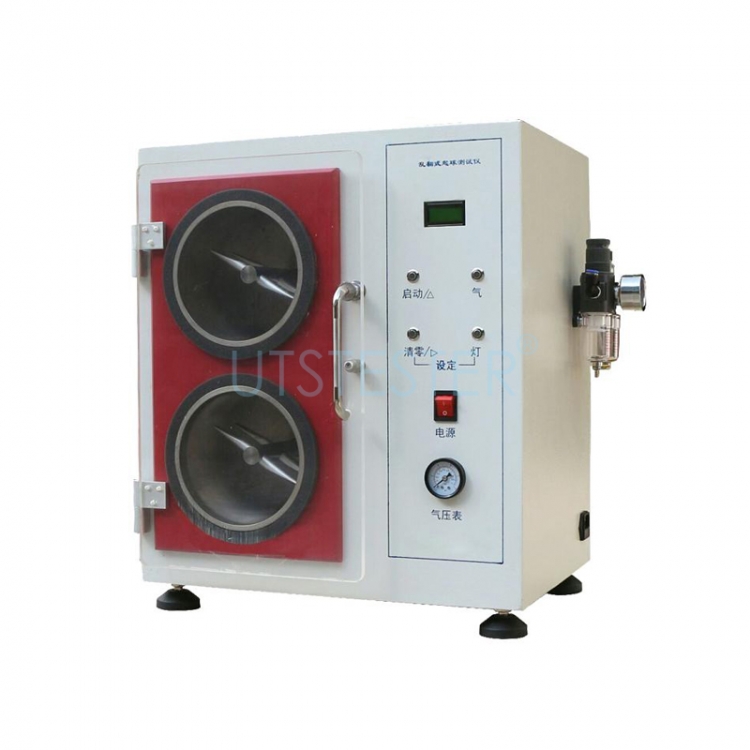
Тестер образования катышков при случайном вращении барабана
Метод лопаточного рабочего колеса
Прибор для определения образования катышков методом случайного вращения использует цилиндрическую камеру с лопастным импеллером в центре. Образцы ткани помещаются внутрь этого вращающегося барабана. Импеллер вращается с высокой скоростью, прижимая ткань к стенкам камеры. Это действие вызывает образование катышков за счет многократных ударов, трения и изгиба.
Случайное движение отличается от контролируемого движения по траектории Лиссажу в испытательной камере Мартиндейла или вращения в барабане с пробковой подкладкой в испытательной камере ICI для определения образования катышков. Вместо предсказуемых траекторий импеллер создает хаотическое движение. Образцы ткани отскакивают и скользят друг от друга и от стенок камеры. Эта случайность имитирует реальные условия износа для определенных типов тканей.
Образцы подготавливаются путем вырезания круглых образцов и закрепления их на резиновых кольцах. В камеру одновременно помещается от четырех до шести образцов. Машина работает в течение заданного времени, обычно от 30 минут до нескольких часов. После тестирования образцы извлекаются и оценивается степень образования катышков. Поверхность сравнивается со стандартными эталонными фотографиями при контролируемом освещении. Интенсивное воздействие обеспечивает четкие, воспроизводимые результаты для выявления незначительных различий в отделке волокон.
Испытания флиса и нетканых материалов
Этот тестер особенно хорошо подходит для флиса и нетканых материалов. Эти материалы имеют приподнятую поверхность волокон, которая легко образует катышки во время носки. Интенсивное вращение барабана приподнимает волокна и запутывает их, образуя катышки. Вы получаете реалистичные результаты, соответствующие реальным характеристикам одежды.
Для нетканых материалов метод случайного перемешивания предоставляет ценные данные о прочности сцепления волокон. Действие мешалки проверяет прочность сцепления между волокнами. Свободно расположенные волокна быстро образуют катышки, поскольку перемешивание разделяет слабо сцепленные участки. Производители используют эти данные для улучшения сцепления волокон, плотности иглоукалывания и отделки. Для флисовых тканей, часто используемых в спортивной и верхней одежде, требуется именно этот тест. Циклическая нагрузка имитирует истирание от движений тела и многократных циклов стирки.
Испытание проводится по стандартной методике определения сопротивления образованию катышков при случайном вращении барабана. В отличие от изнашивателя и тестера на истирание Taber, который применяет вращательное истирание к плоским поверхностям, или тестера на истирание Wyzenbeek, который использует колебательное движение для испытаний обивки, тестер образования катышков при случайном вращении барабана нацелен на комбинированное воздействие истирания, изгиба и удара на выступающие поверхности волокон. Это оборудование для испытаний текстильных изделий на образование катышков и истирание предоставляет важные данные для изделий, где внешний вид поверхности имеет первостепенное значение.
Тестер образования катышков на кисти
Механизм образования пушистости, вызванный щеткой
Прибор для определения образования катышков с помощью щетки использует нейлоновые щетки для создания катышков на поверхности ткани. Этот метод особенно хорошо подходит для камвольной шерсти и других тканей, склонных к образованию ворса. Действие щетки поднимает свободные волокна, прежде чем трение превратит их в катышки.
Вы можете регулировать высоту щетины, чтобы контролировать интенсивность подъема волокон с поверхности образца. Перед началом трения нейлоновая щетка вращается с контролируемой скоростью. Это вращение поднимает волокна и создает ворсистый поверхностный слой. Затем этот ворс образует подходящие для испытания катышки.
Механизм работает в четкой последовательности:
-
Определенное давление приводит образец в контакт со стандартным абразивом, например, нейлоновой щеткой.
-
Механическое движение вызывает трение, которое приводит к разрыву волокон, образованию ворса и катышков.
-
Кончики волокон отрываются от поверхности из-за трения и образуют ворс.
-
Пушок сплетается в комочки, и некоторые ворсинки отваливаются по мере продолжения трения.
Это оборудование для испытания текстильных изделий на образование катышков и истирание обеспечивает контролируемые условия для воспроизведения изменений поверхности. В отличие от измерителя истирания Wyzenbeek илиИзмеритель износа и истирания ТабераВ отличие от них, где основное внимание уделяется плоскому абразивному воздействию, метод с использованием щетки направлен непосредственно на образование ворса. Тестеры ICI Pilling Box Tester и ICI Mace Snag Tester служат разным целям, поэтому, если основной проблемой является поднятие волокон, следует выбрать тестер с щеткой.
Соответствующие стандарты и правила использования
Данный метод испытаний регулируется стандартом ASTM D3511/D3511M-16(2022). Стандарт входит в состав комитета ASTM D13 и содержится в томе 07.01 BOS. Он описывает, как ткань сопротивляется образованию катышков и другим изменениям поверхности при использовании щетки для определения образования катышков. Метод подходит для обивочных, автомобильных, багажных и износостойких тканей для униформы из-за их высокой абразивности.
Следует учитывать несколько практических моментов. Этот метод не рекомендуется для приемочных испытаний. Если вы все же используете его для приемочных испытаний, действуйте с осторожностью, поскольку данные межлабораторных исследований недоступны. При обнаружении различий между лабораториями следует проводить сравнительные испытания. Образование катышков — сложное свойство, на которое влияют тип и состав волокон, размеры волокон, структура пряжи и ткани, отделка и метод восстановления. Проведение испытаний до восстановления может быть целесообразным.
Оценка образования катышков производится путем сравнения испытанных образцов с визуальными эталонами. Результаты представляются по произвольной шкале от 5 (отсутствие катышков) до 1 (очень сильное образование катышков). Рекомендуется субъективная оценка, а не оценка исключительно по количеству катышков. Метод применим к широкому спектру тканых и трикотажных материалов, различающихся по склонности к образованию катышков. Значения, указанные в единицах СИ или в дюймово-фунтовых единицах, следует рассматривать отдельно как стандартные. Объединение значений из двух систем может привести к несоответствию. Стандарт не охватывает все вопросы безопасности, поэтому перед использованием необходимо установить соответствующие меры безопасности, охраны здоровья и окружающей среды.
Специализированные измерители истирания
Компания Taber and Wyzenbeek занимается обивкой мебели.
Обивочные ткани подвержены уникальному износу. Для измерения их износостойкости необходимы специализированные приборы. Двумя основными вариантами являются тестер абразивного износа Wyzenbeek и тестер износостойкости Taber. Каждый из них использует свой тип движения и абразивного материала.
Прибор для испытания на истирание Wyzenbeek использует качающийся рычаг. Этот рычаг совершает движения вперед и назад вдоль направлений основы и утка. В нем используются более мягкие абразивные материалы. Результаты измеряются в количестве циклов истирания. Этот прибор является стандартным для обивочных тканей в США.
Прибор для испытания на износ и истирание Taber использует вращающееся колесо. Колесо вращается по плоскому неподвижному образцу. В нем используются абразивные круги. Результаты измеряются циклически. Этот прибор лучше всего подходит для кожи, винила, ковровых покрытий и тканей с покрытием.
|
Особенность
|
Вайзенбек
|
Табер
|
|
Движение
|
Прямой бпрямолинейное движение взад-вперед вдоль основы и утка
|
Вращающиеся абразивные круги, вращающиеся по плоскому неподвижному образцу.
|
|
Абрадирующий материал
|
Стандартный абразивный материал
|
Стандартные абразивные круги
|
|
Единица
|
Количество потертостей
|
Циклы
|
|
Типичное применение
|
Обивочная ткань (особенно для североамериканского рынка)
|
Кожа, винил, ковровое покрытие, ткани с покрытием
|
Для проверки устойчивости обивки к затяжкам вам также понадобится тестер затяжек ICI Mace. Этот инструмент проверяет, насколько ткань сопротивляется растяжениям и затяжкам от острых предметов.
Испытания на истирание кромок и изгиба
Испытания на истирание делятся на три категории: плоское, краевое и гибкое. Плоское истирание охватывает износ плоских поверхностей. Для этой категории используются приборы Taber Wear and Abrasion Tester и Wyzenbeek Abrasion Tester. Краевое истирание проверяет сопротивление краев ткани износу от трения о другие поверхности. Гибкое истирание измеряет повреждения от многократного сгибания и складывания.
Выбор подходящего оборудования для испытаний текстильных тканей на образование катышков и истирание зависит от конечного назначения вашей ткани. Для обивочных материалов необходимы данные об истирании в плоскости. Для кромок одежды необходимы испытания на истирание по краю. Для гибких материалов, таких как ткани с покрытием, необходима оценка истирания при изгибе. Каждая категория выявляет различные слабые места одной и той же ткани.
Выбор подходящего оборудования для испытаний текстильных изделий на образование катышков и истирание.
Подбор оборудования в соответствии со структурой ткани
Начните с анализа структуры ткани. Разные машины подходят для разных материалов. В таблице ниже показаны основные варианты соответствия.
|
Оборудование / Метод испытаний
|
Применимая структура ткани
|
|
Испытатель на прочность при прокладке грунта на кольцевых железнодорожных путях
|
Все виды текстильных тканей
|
|
тестер истирания Мартиндейла
|
Подходит для большинства тканей, особенно для шерстяных.
|
|
тестер для коробок для свай
|
Большинство тканей, особенно подходят для шерстяных трикотажных изделий.
|
Круговой тестер на образование катышков подходит для всех текстильных тканей. Тестер Мартиндейла работает с большинством тканей и особенно хорошо подходит для шерсти. Тестер на образование катышков ICI также подходит для большинства тканей и особенно хорош для шерстяного трикотажа. Для обивки вам понадобится тестер на истирание Wyzenbeek или тестер на износ и истирание Taber. Тестер на зацепления ICI Mace проверяет материалы, склонные к зацеплениям. Вы сопоставляете характер повреждения с прибором. Для испытаний на образование катышков необходимо образование ворса. Для испытаний на истирание необходимо износ поверхности. Окончательный выбор зависит от структуры ткани.
Баланс между бюджетом и возможностями лаборатории
Стоимость имеет значение. Необходимо сопоставить цену покупки с возможностями лаборатории. Типичные цены на оборудование варьируются.
-
Оборудование для испытаний на прочность при растяжении: доступны различные ценовые диапазоны.
-
Оборудование для проверки стойкости цвета: стоимость зависит от технических характеристик.
-
Оборудование для испытания на усадку: цена варьируется в зависимости от модели.
-
Инструменты для измерения плотности ткани: необходимо учитывать бюджетные ограничения.
-
Приборы для испытания на разрыв: аналогичные различия в стоимости.
Эти цифры охватывают распространенные приборы для тестирования текстиля. Машины для определения катышков и истирания находятся в аналогичных диапазонах. Вам следует планировать бюджет, исходя из объема проводимых испытаний. Для загруженной лаборатории требуется несколько приборов. Небольшая лаборатория может начать с одного или двух.
Учитывайте как первоначальные затраты на покупку, так и текущие расходы на техническое обслуживание. Более качественные машины часто требуют больших первоначальных инвестиций, но позволяют снизить количество ошибок и сбоев в работе в долгосрочной перспективе. Избегайте более дешевых вариантов, которые могут привести к неточностям; вместо этого учитывайте общие затраты на владение, включая профессиональное обслуживание и калибровку. Расставьте приоритеты в отношении критически важных функций и сохраняйте гибкость в своем бюджете.
Вложение дополнительных средств в высококачественное оборудование для тестирования тканей окупается за счет повышения надежности и точности. Вместо того чтобы сосредотачиваться исключительно на цене, следует учитывать общую стоимость владения, которая включает в себя техническое обслуживание, калибровку и потенциальные затраты в случае непредвиденных поломок. Выбор известных брендов также обеспечивает лучшую поддержку клиентов и более длительный срок службы оборудования.
Поставщики, такие как Международный университет технологий ЮтыМы предлагаем комплексные решения для всех типов оборудования. Вы можете приобрести оборудование для испытаний на образование катышков и истирание текстиля у одного партнера. Такой подход упрощает выбор и поддержку. UTS поможет вам подобрать оборудование, соответствующее вашему ассортименту тканей и бюджету. Вы получите рекомендации по стандартам, производительности и техническому обслуживанию. Один поставщик сокращает время обучения и упрощает поиск запасных частей. Вам следует оценить свои потребности в тестировании, исходя из вышеуказанных критериев. Затем выберите оборудование, которое подходит для ваших тканей, объемов производства и долгосрочных целей.
Ни один прибор не подходит для всех типов тканей и всех видов повреждений. Выбор зависит от структуры ткани и характера повреждений, которые необходимо воспроизвести. Для трикотажа может потребоваться тестер круговых дорожек, в то время как для тканого обивочного материала часто нужен тестер истирания Вайзенбека или тестер износа и истирания Табера. Для материалов, склонных к зацепкам, может потребоваться тестер зацепок ICI Mace, а для шерстяного трикотажа часто подходит тестер образования катышков ICI.
Хорошо оборудованная лаборатория контроля качества обычно располагает несколькими приборами, а не одним. Опытный поставщик поможет вам подобрать оборудование для испытаний на образование катышков и истирание текстиля в соответствии с типом вашей продукции, целевым рынком и требованиями к производительности. Перед покупкой оцените свои потребности в тестировании, сопоставив их с этими критериями.
Часто задаваемые вопросы
Какую машину следует выбрать для трикотажных изделий из шерсти?
Для шерстяных трикотажных изделий можно использовать тестер для образования катышков ICI Pilling Box Tester. Он перемешивает образцы в камере с пробковой облицовкой и подходит для большинства тканей, особенно для шерсти. Тест Мартиндейла также хорошо подходит для шерсти. Подберите прибор в соответствии со структурой вашей ткани и необходимым для воспроизведения процесса образования катышков.
Как вы оцениваете образование катышков после тестирования?
ЯВы сравниваете исследуемый образец со стандартными эталонными фотографиями при контролируемом освещении. Затем вы присваиваете оценку от 1 до 5. Оценка 5 означает отсутствие образования катышков, а оценка 1 — очень сильное образование катышков. Предпочтительнее субъективная визуальная оценка, чем просто подсчет катышков.
Может ли одна машина одновременно проводить испытания на образование катышков и на истирание?
Ни один прибор не подходит для всех типов тканей и видов повреждений. Прибор Martindale справляется как с образованием катышков, так и с истиранием. Для обивки часто требуется тестер истирания Wyzenbeek или тестер износа и истирания Taber. Для материалов, склонных к зацепкам, вместо него может потребоваться тестер зацепов ICI Mace.
В чём разница между тестерами Вайзенбека и Табера?
Прибор для измерения абразивного износа Wyzenbeek измеряет износ путем трения вдоль основы и утка с использованием стандартного абразивного материала, а результаты измеряются в количестве циклов трения. Прибор для измерения износа и абразивного износа Taber вращает абразивные круги по плоскому образцу, а результаты измеряются в количестве циклов. Каждый прибор подходит для разных обивочных материалов.
Сколько образцов вы тестируете одновременно?
Это зависит от конкретного прибора. Тестер образования катышков ICI одновременно обрабатывает четыре образца размером 125 × 125 мм. Тестер образования катышков методом случайного вращения позволяет обрабатывать несколько образцов за один цикл. Проведение нескольких повторных измерений за один цикл обеспечивает более надежные и воспроизводимые результаты для контроля качества.


 +86 152 6060 5085
 English
 русский
 español
 português
 العربية
 Polski



 hello@utstesters.com
 hello@utstesters.com
 +86 152 6060 5085
 +8615260605085