Прибор для испытания ткани на истирание и образование катышков — это лабораторный инструмент, имитирующий повседневный износ для измерения устойчивости текстильных материалов к повреждениям поверхности. Он используется для оценки двух ключевых свойств: истирания, то есть износа поверхности от трения, и образования катышков, то есть образования крошечных волокнистых шариков на ткани. Наиболее распространены приборы Мартиндейла и Вайзенбека.Типы, с которыми вы столкнетесь. Машина для тестирования образования катышков на ткани, например, такая:Тестер образования катышков при случайном вращении барабанаЭтот метод также служит этой цели. Тест Мартиндейла предполагает трение ткани по траектории в виде восьмерки, а тестер Мартиндейла предлагает автоматизированное управление. Понимание принципов тестирования помогает выбирать долговечные материалы для обивки мебели, одежды и промышленного применения.
Основные выводы
-
Прибор Мартиндейла трет ткань по траектории в виде восьмерки. Такое движение позволяет проверить износ со всех сторон.
-
Чем выше показатель износостойкости по Мартиндейлу, тем лучше сопротивление истиранию. Для обивки 40 000 циклов — это оптимальный показатель.сверхпрочный.
-
Показатели износостойкости измеряют количество катышков на поверхности, а не их прочность. При выборе ткани используйте как количество истираний, так и показатели износостойкости.
-
Метод Мартиндейла широко распространен в Европе, метод Вайзенбека — в Северной Америке. Для анализа глобальных рынков используйте оба метода.
-
Лабораторные испытания не позволяют предсказать износ в реальных условиях. Для оптимального выбора сочетайте результаты испытаний с полевыми испытаниями.
Что такое тестер истирания и образования катышков на ткани?
Определение и основная цель
Прибор для испытания ткани на истирание и образование катышков — это лабораторный прибор, имитирующий износ для оценки износостойкости и качества текстильных изделий. Вы помещаете образец ткани в прибор, и устройство третит его в контролируемых условиях. Этот процесс имитирует трение, которому ежедневно подвергаются мебель, одежда и автомобильные сиденья.
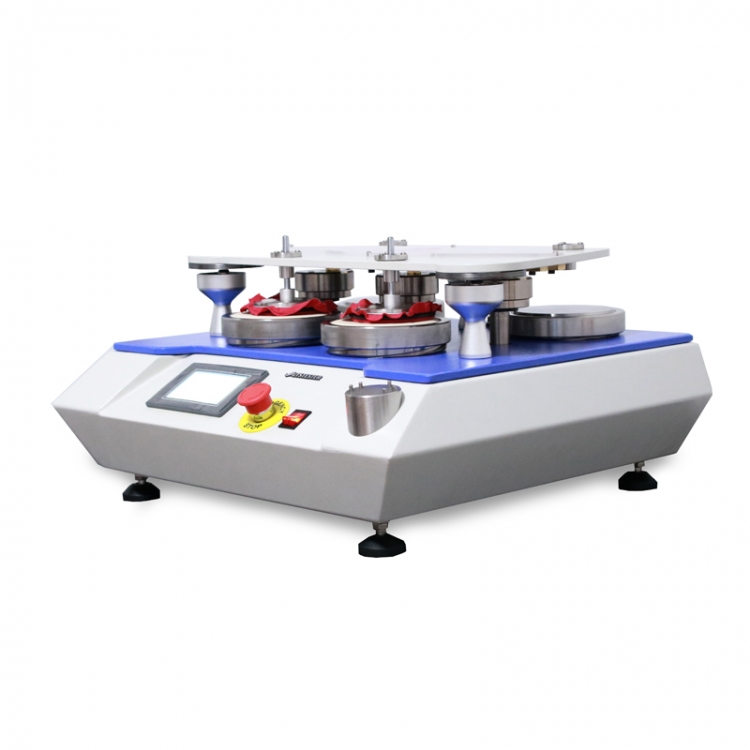
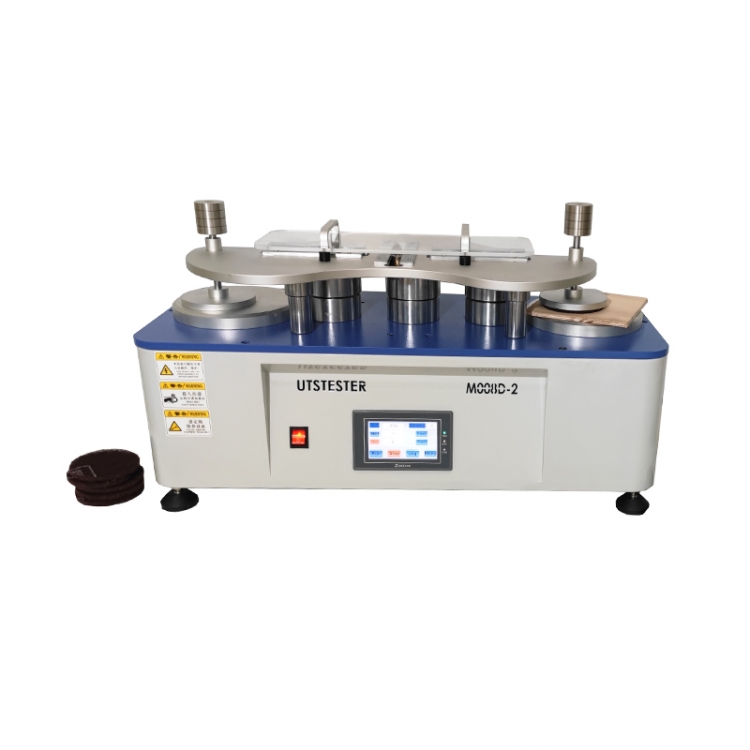
Для этой работы наиболее широко используется тестер Мартиндейла. Тестер Мартиндейла работает по тому же механическому принципу. Каждый тестер Мартиндейла включает в себя несколько ключевых компонентов:
-
Испытательный стенд с круглым основанием, надежно удерживающим образец ткани.
-
Держатель для образцов, который зажимает ткань и удерживает ее в натянутом состоянии.
-
Вращающийся рычаг перемещает образец по траектории Лиссажу — овальной траектории, которая проходит под разными углами.
-
Вес, оказывающий давление: больший для обивки и меньший для деликатных материалов.
-
Противоположная трущаяся поверхность, например, абразивная пластина или обычная шерстяная ткань.
-
Приводной механизм, поддерживающий постоянную скорость вращения.
Другие типы испытательных приборов дополняют методы Мартиндейла и Вайзенбека. Каждый из них отвечает на один и тот же основной вопрос: как долго прослужит эта ткань?
Различие между истиранием и образованием катышков: объяснение
Эти два теста измеряют различные дефекты ткани. Тестирование на износостойкость отслеживает физический износ от трения, включая обрыв нитей. Это свойство связано с прочностью и долговечностью. Тестирование на образование катышков оценивает образование небольших волокнистых шариков на поверхности. Этот дефект носит эстетический характер и влияет на внешний вид, а не на прочность ткани.
|
Метод тестирования
|
Измерен дефект ткани
|
Природа дефекта
|
|
тестирование на устойчивость к образованию катышков
|
Образование мелких волокнистых шариков (капель) на поверхности ткани.
|
Эстетическая/связанная с внешним видом, а не со структурной прочностью.
|
|
Испытание на износостойкость
|
Физический износ от трения и износа, включая поломку.
|
Прочность и долговечность, а не внешний вид.
|
Один прибор Мартиндейла позволяет проводить как испытания на истирание, так и испытания на образование катышков. Вы меняете абразивный материал и критерии оценки. Для испытаний на истирание используется стандартная абразивная поверхность, и подсчитываются циклы до обрыва нитей. Для испытаний на образование катышков используется стандартная шерстяная ткань в качестве объекта трения, и оценивается внешний вид поверхности после заданного количества циклов. Такая гибкость делает испытания по методу Мартиндейла экономически выгодным решением для лабораторий, работающих с различными типами тканей.
На рынке машин для испытания тканей на образование катышков представлены специализированные устройства для проведения больших объемов испытаний на образование катышков и истирание. Однако платформа Мартиндейла остается стандартным рабочим инструментом. Ее движение Лиссажу имитирует реальное трение с разных направлений. Тестер Мартиндейла повышает повторяемость результатов за счет автоматизации контроля давления и циклов. Лаборатории, проводящие частые испытания на образование катышков и истирание, высоко ценят эту стабильность. Тестер Мартиндейла также снижает вероятность ошибок оператора во время длительных испытаний. Для любой текстильной лаборатории метод Мартиндейла обеспечивает надежные данные для выбора материалов и обеспечения качества.
Как работает тест на истирание по Мартиндейлу
Движение по траектории «восьмерки» и многонаправленный износ
В ходе теста Мартиндейла образец ткани трется о стандартный абразивный материал по траектории в виде восьмерки. Обычно в качестве абразивных материалов используют шерсть или другой абразивный материал. Это движение не является прямым. Приводной механизм объединяет две перпендикулярные траектории для создания кривой Лиссажу. В тесте Мартиндейла используется один конкретный тип из четырех фигур Лиссажу, обозначенный как фигура 2.
Наиболее важным аспектом испытания на абразивный износ по методу Мартиндейла является движение. Машина не трётся по прямой линии. Она перемещает абразивную подушку по материалу по сложной, математически рассчитанной многонаправленной траектории, известной как фигура Лиссажу (геометрическая траектория, переходящая от круга к эллипсу и затем к прямой линии). Это гарантирует, что материал будет испытан на трение под всеми возможными углами.
Вертикальные и горизонтальные эксцентриковые колеса работают с разной частотой и амплитудой. Точно рассчитанный зубчатый механизм объединяет эти движения в сложную, неповторяющуюся траекторию. В результате ткань подвергается трению со всех сторон. Это многонаправленное трение выявляет слабые места, которые были бы упущены при использовании более простых однонаправленных методов. Таким образом, тест Мартиндейла имитирует реальный износ обивки, такой как сидение, ходьба, наклоны и растяжения. Тестер Мартиндейла автоматизирует это движение для получения стабильных и воспроизводимых результатов. Тестер Мартиндейла также снижает вероятность ошибок оператора при длительных испытаниях. Лаборатории, работающие с различными материалами, ценят тестер Мартиндейла за его гибкость.
Циклы, давление и конечные точки
В ходе теста Мартиндейла образец прижимается к абразивному материалу с помощью определенного груза. Более тяжелые грузы подходят для обивочных тканей, более легкие — для деликатных материалов. Тест завершается при выполнении определенных критериев:
-
Разрыв нити: Для тканых материалов испытание завершается, когда полностью обрываются как минимум две независимые нити. Для трикотажных материалов достаточно одного разрыва нити, вызывающего видимое отверстие.
-
Изменение цвета: Испытание может быть остановлено при достижении заданной степени изменения цвета, как указано в соглашении об инспекции.
-
Другие изменения поверхности: на определенных уровнях могут также наблюдаться образование катышков и ворса.
-
Повреждение ткани зависит от типа материала: ворсовые ткани изнашиваются, когда обнажается основная ткань или отслаиваются пучки нитей. Нетканые материалы изнашиваются, когда появляется отверстие диаметром не менее 2,5 мм. Ткани с покрытием изнашиваются, когда покрытие повреждается до основной ткани.
Испытание по методу Мартиндейла регулируется стандартом ISO 12947. Этот стандарт определяет оборудование, процедуру и критерии конечной точки. Различные производители предлагают тестеры на истирание и образование катышков типа Мартиндейла. Тестер Мартиндейла от такого производителя предоставляет надежные данные для выбора материала. Тестер Мартиндейла также поддерживает испытания на истирание и образование катышков на одной платформе. Для определения износостойкости подсчитывается количество циклов до разрыва нитей. Для определения образования катышков оценивается внешний вид поверхности после заданного количества циклов. Тестер Мартиндейла справляется с обеими задачами благодаря автоматическому контролю давления и количества циклов. Эта двойная возможность делает испытание по методу Мартиндейла экономически выгодным выбором для любой текстильной лаборатории.
Матч Мартиндэйла против матча Уайзенбека
Различия в движении и направление тестирования
Эти два метода оказывают принципиально различное воздействие на ткань. При использовании прибора Вайзенбека образцы растираются взад и вперед по прямой линии вдоль направлений основы и утка. При использовании прибора Мартиндэйла образец перемещается по колебательной траектории в виде восьмерки.Осцилляционный тестер абразивного износаТакже используется контролируемое колебательное движение для оценки сопротивления материала многократному истиранию в заданных условиях испытаний. Это многонаправленное движение обеспечивает контакт с тканью под постоянно меняющимися углами.
|
Тестер
|
Поглаживающие движения
|
|
Вайзенбек
|
Линейное движение вперед-назад вдоль направлений основы и утка.
|
|
Мартиндэйл
|
Колебательное движение в форме восьмерки
|
Это различие определяет результаты каждого теста. Тест на истирание по Мартиндейлу выявляет слабые места по всем направлениям волокон. Метод Вайзенбека концентрирует износ вдоль двух осей. Ни один из подходов не превосходит другой в абсолютном отношении. Каждый из них отвечает на разные вопросы, касающиеся долговечности.
Выбор правильного метода
Ваш выбор зависит от трех факторов: стандарта, которому вы должны соответствовать, типа материала и предполагаемого конечного использования. Региональные рыночные ожидания имеют не меньшее значение.
|
Метод тестирования
|
Основные регионы / Рынки
|
Основные отрасли / Приложения
|
|
Мартиндэйл
|
Европа и международные рынки
|
Обивка, автомобильные интерьеры, высокопрочные материалы
|
|
Вайзенбек
|
Северная Америка, особенно США
|
Обивочный, коммерческий и контрактный секторы
|
Тестер Мартиндейла подходит для европейских и глобальных цепочек поставок. Тестер Мартиндейла также позволяет оценивать образование катышков на той же платформе. Североамериканские покупатели обычно запрашивают вместо этого измерения по методу Вайзенбека (двойное истирание). Если вы продаете товары на международном рынке, используйте оба метода. Тестер Мартиндейла в паре с устройством Вайзенбека удовлетворяет практически всем требованиям рынка. Тестер Мартиндейла снижает вероятность ошибок оператора и обеспечивает воспроизводимые данные по износостойкости.
Результаты испытаний на истирание, превышающие рекомендации ACT по эксплуатационным характеристикам, не являются показателем срока службы изделия. На прочность ткани и сохранение ее внешнего вида влияют многочисленные факторы.
Помните, что результаты испытаний на устойчивость к образованию катышков и истиранию являются определяющими при выборе. Они не гарантируют реальных эксплуатационных характеристик.
Машина для испытания ткани на образование катышков и интерпретация результатов.
Материалы, склонные к образованию катышков
Коротковолокнистые волокна являются основной причиной образования катышков. Шерсть, хлопок и смеси полиэстера занимают первое место в этом списке, поскольку их волокна отрываются от поверхности пряжи. Эти свободные концы запутываются при трении и образуют небольшие комочки. Для более широкой оценки износа и истирания ткани используется...Измеритель износа Stoll QuartermasterЭтот метод можно использовать для оценки абразивного износа поверхности и других свойств, связанных с износом, в контролируемых лабораторных условиях. В ходе теста Мартиндэйла круглый образец трется о ту же ткань или шерстяной абразивный материал по траектории Лиссажу под заданным давлением. Образец может свободно вращаться вокруг своей центральной оси. Движение переходит от круга к сужающемуся эллипсу, затем к прямой линии, после чего происходит обратное движение, завершая один цикл образования катышков. Повторное трение приводит к спутыванию волокон, и на поверхности появляются катышки.
Чтение статистики по количеству потертостей и степени образования катышков
Чем выше показатель износостойкости по Мартиндейлу, тем лучше сопротивление истиранию. Износостойкость текстильных материалов подчиняется простому правилу: чем больше циклов до разрушения, тем прочнее ткань. Для контрактной обивки определенные пороговые значения циклов определяют общие эксплуатационные характеристики и характеристики для тяжелых условий эксплуатации в соответствии со стандартом ASTM D4966-98. Тестер Мартиндейла автоматически отслеживает эти циклы. Тестер Мартиндейла также поддерживает постоянное давление на протяжении длительных циклов. Таким образом, тестер Мартиндейла обеспечивает воспроизводимые данные по износостойкости. Тестер Мартиндейла также позволяет проводить исследования образования катышков на той же платформе.
Показатели образования катышков говорят об обратном. Они отражают степень миграции волокон и образования поверхностных катышков. Оценка образования катышков проводится в соответствии со стандартом ISO 12945, который определяет стандартную шкалу и метод оценки.
Ознакомьтесь с результатами теста, имея под рукой оба показателя. Высокое количество истираний при низком показателе образования катышков свидетельствует о том, что ткань хорошо носится, но со временем становится ворсистой.
Стандарты и значения испытаний на истирание и образование катышков.
ISO, ASTM и регулирующие стандарты
Для правильного проведения испытаний на истирание и образование катышков необходимо руководствоваться международными стандартами. Испытание Мартиндейла проводится в соответствии со стандартом ISO 12947. Этот стандарт определяет в качестве абразивного материала камвольную шерсть. Результаты испытания Мартиндейла представляются в виде циклов до разрыва двух нитей или появления отверстия. Метод Вайзенбека проводится в соответствии со стандартом ASTM D4157. Этот стандарт использует хлопчатобумажную ткань типа «утка» или проволочную сетку. Результаты испытания Вайзенбека представляются в виде двойных циклов истирания до разрыва нитей. Для оценки образования катышков также используется стандарт ISO 12945. Каждый стандарт предназначен для определенного рынка. Испытание Мартиндейла преобладает в Европе. Методы ASTM преобладают в Северной Америке. Необходимо знать, какой стандарт требуется вашему покупателю. Если вы осуществляете закупки по всему миру, вам могут потребоваться оба стандарта. Проведение испытания Мартиндейла на испытательном стенде соответствует требованиям ISO 12947.
Тестер Мартиндейла автоматизирует подсчет циклов и контроль давления. Вы получаете надежные и воспроизводимые результаты испытаний каждый раз.Для получения дополнительной информации об оборудовании для испытаний по методу Мартиндейла, испытаниях на образование катышков, истирание и испытаниях текстильных изделий,УTS International Предоставляет соответствующие ресурсы производителя и решения по продукции для поддержки лабораторных испытаний и контроля качества.
Преимущества и ограничения
Испытания на истирание и образование катышков приносят реальную пользу вашему процессу контроля качества. Они обеспечивают стабильные результаты.Оценка износостойкости. Вы сравниваете ткани от разных поставщиков, используя один и тот же метод. Большее количество циклов Мартиндейла указывает на лучшую износостойкость. Оценка образования катышков показывает, как будет выглядеть поверхность после многократного трения. Оценка образования катышков субъективна, но предоставляет полезные данные. Эти данные помогают прогнозировать срок службы ткани до начала производства. Эти тесты снижают ваши затраты.Риск. Вы отсеиваете некачественные материалы на ранней стадии. Вы избегаете дорогостоящих возвратов. Данные также помогают подобрать ткань в соответствии с конечным назначением. Для износостойкой обивочной ткани требуется большое количество циклов, в то время как для декоративной подушки можно использовать ткань более низкого качества. Данные о образовании катышков и истирании помогают в выборе материала.
Однако необходимо учитывать ограничения. Лабораторные испытания не могут воспроизвести все реальные условия износа. Люди сидят по-разному. Мебель подвергается воздействию пролитой жидкости, солнечного света и чистки. Ткань, прошедшая большое количество циклов на платформе Мартиндейла, может все равно выцвести или испачкаться в процессе эксплуатации. Эти тесты измеряют лишь один аспект долговечности. Они не позволяют предсказать стойкость цвета, проскальзывание швов или прочность на разрыв. Используйте их как один из многих инструментов. Для получения наиболее полной картины сочетайте результаты испытаний с полевыми испытаниями.
Прибор для испытания ткани на истирание и образование катышков позволяет прогнозировать износ текстильных материалов и образование ворса на поверхности в лабораторных условиях. Образец ткани механически протирается под контролируемым давлением и циклами трения. Тест Мартиндейла предоставляет эти данные посредством многонаправленного трения. Более высокие значения по тесту Мартиндейла указывают на лучшую износостойкость. Более низкие значения по тесту на образование катышков свидетельствуют о большем образовании ворса на поверхности. Эти показатели помогают контролировать качество и выбирать материалы для обивки, автомобильной промышленности и производства одежды. Прибор Мартиндейла автоматизирует этот процесс для обеспечения стабильности результатов. Однако остается одно ключевое ограничение: лабораторные испытания не могут воспроизвести все реальные условия износа. Такие факторы, как пролитая жидкость, солнечный свет и чистка, могут влиять на долговечность сверх того, что показывают результаты испытаний. Для получения дополнительной информации о тесте Мартиндейла, образовании катышков, истирании и испытаниях, изучите соответствующие ресурсы производителя и страницы продуктов.
Часто задаваемые вопросы
Что измеряет тестер Мартиндейла?
Тест Мартиндейла измеряет износостойкость. Ткань трется о абразивный материал по траектории в виде восьмерки. Считаются циклы до тех пор, пока не порвутся две нити. Большее количество циклов означает лучшую износостойкость для обивки и одежды.
Можно ли проверить образование катышков на машине Мартиндейла?
Да. Тестер Мартиндейла подходит как для испытания на истирание, так и для испытания на образование катышков. Для испытания на образование катышков используется абразивная шерсть, а оценка внешнего вида поверхности производится после заданного количества циклов. Эта двойная возможность экономит время и средства лаборатории.
Какие материалы чаще всего образуют катышки?
Коротковолокнистые материалы, такие как шерсть, хлопок и смеси полиэстера, чаще всего образуют катышки. Свободные волокна при трении спутываются в комки.
Какие стандарты регулируют тестирование?
Стандарт ISO 12947 регулирует испытания на истирание по Мартиндейлу. Стандарт ASTM D4157 охватывает испытания по методу Вайзенбека. Узнайте требования вашего покупателя.
Как показатели образования свай соотносятся с показателями Мартиндейла?
Показатели образования катышков измеряют изменения внешнего вида поверхности. Показатели износостойкости по Мартиндейлу измеряют структурный износ. Ткань может обладать высокой износостойкостью, но низкими показателями образования катышков. Оба показателя помогают при выборе материала.


 +86 152 6060 5085
 English
 русский
 español
 português
 العربية
 Polski



 hello@utstesters.com
 hello@utstesters.com
 +86 152 6060 5085
 +8615260605085